

Rodent Shield Santa Barbara
Mice Control Santa Barbara, CA — Stop Mice for Good
Serving Santa Barbara • Goleta • Montecito • Carpinteria. Droppings in the pantry or scratching in the walls? Our mice control traps what is inside and seals the dime-size gaps they use. Same-day or next-day visits are often available.
What to look for
Signs of Mice in Your Walls, Kitchen or Garage
Mice are small and quiet, so the clues are easy to miss. Look for these.
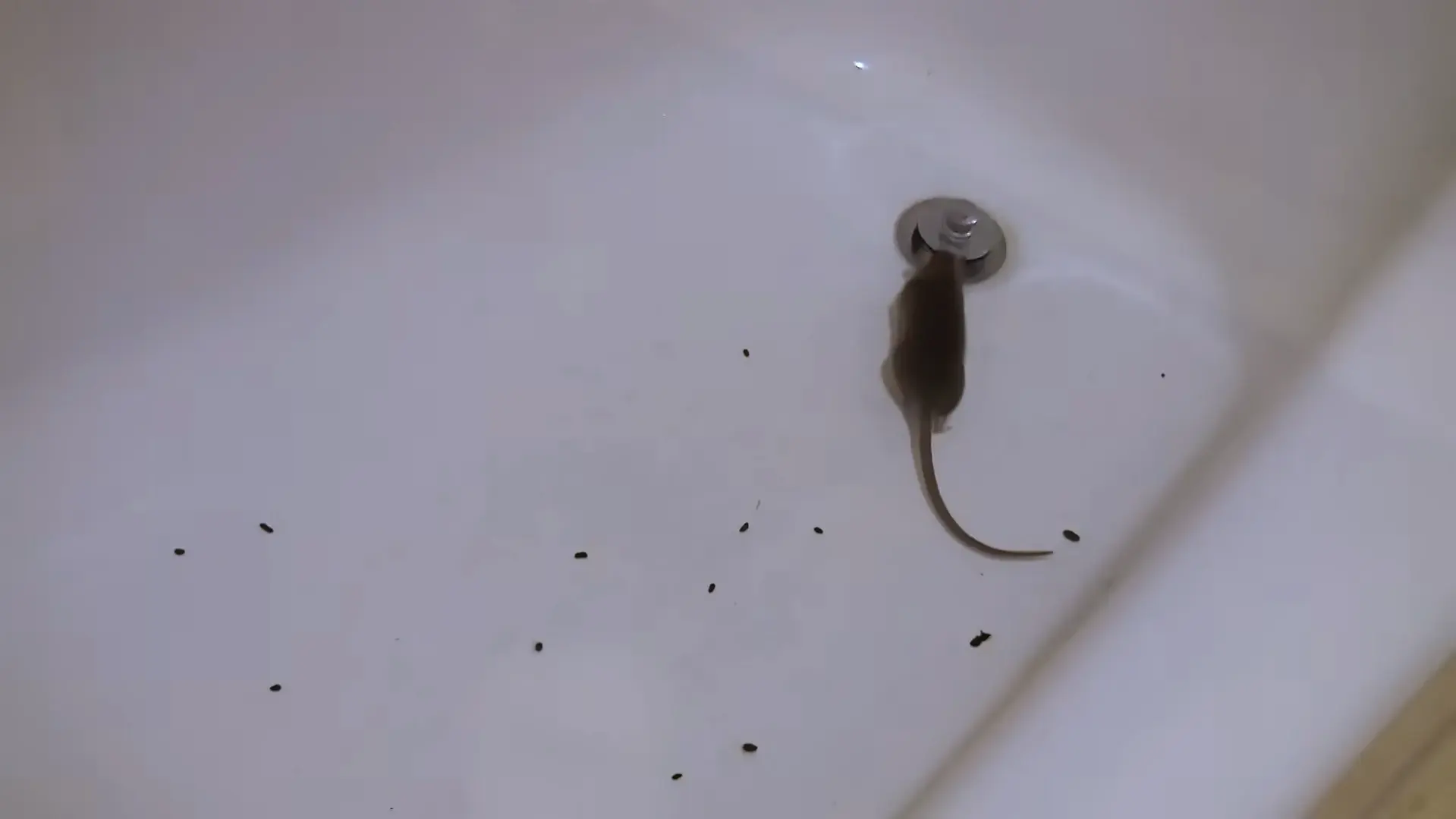
Light, fast scratching
Usually at night, inside walls or behind cabinets. Mice are light and quick, so the sound is faint and fast, unlike the heavier thumping of rats.
Droppings
Dark and about the size of a grain of rice. Check drawers, under the sink and along baseboards, because mice leave them where they travel and feed.
Chewed food
Torn cereal boxes, bread bags and pet food bags are a clear sign. Mice chew through packaging to get at the food inside.
Nests
Shredded paper, fabric or insulation in a hidden corner. Mice build nests in quiet, dark places such as drawers, behind appliances and in wall voids.
Grease marks and a musky smell
Grease marks along walls show where they run every night. A stale, musky smell that gets stronger over time points to a problem that has been going on for a while.
Your pet staring at a wall or cabinet
Dogs and cats often hear and smell mice before we do. If your pet keeps staring or pawing at one spot, check it for droppings or gnaw marks.
Not sure it is mice?
Droppings about half an inch long point to rats. See rat removal. Scratching in the daytime is more often squirrels. See squirrel removal.
I hear scratching in the walls. Is it mice?
Often yes, especially if the sound is light, quick, and near the kitchen or garage. Rats are heavier and usually overhead in the attic. Tap on the wall. If the noise stops for a moment and then starts again, that is typical mouse behavior. Droppings and chewed food confirm it. Squirrels are louder and mostly move in the daytime. See squirrel removal.
How we work
Mice Control Santa Barbara Homes Need: Our 5 Steps
Mice are small, so every step is about the details: where they get in, where they travel and what keeps them coming back. Here is the order our technicians follow, with what each step includes.
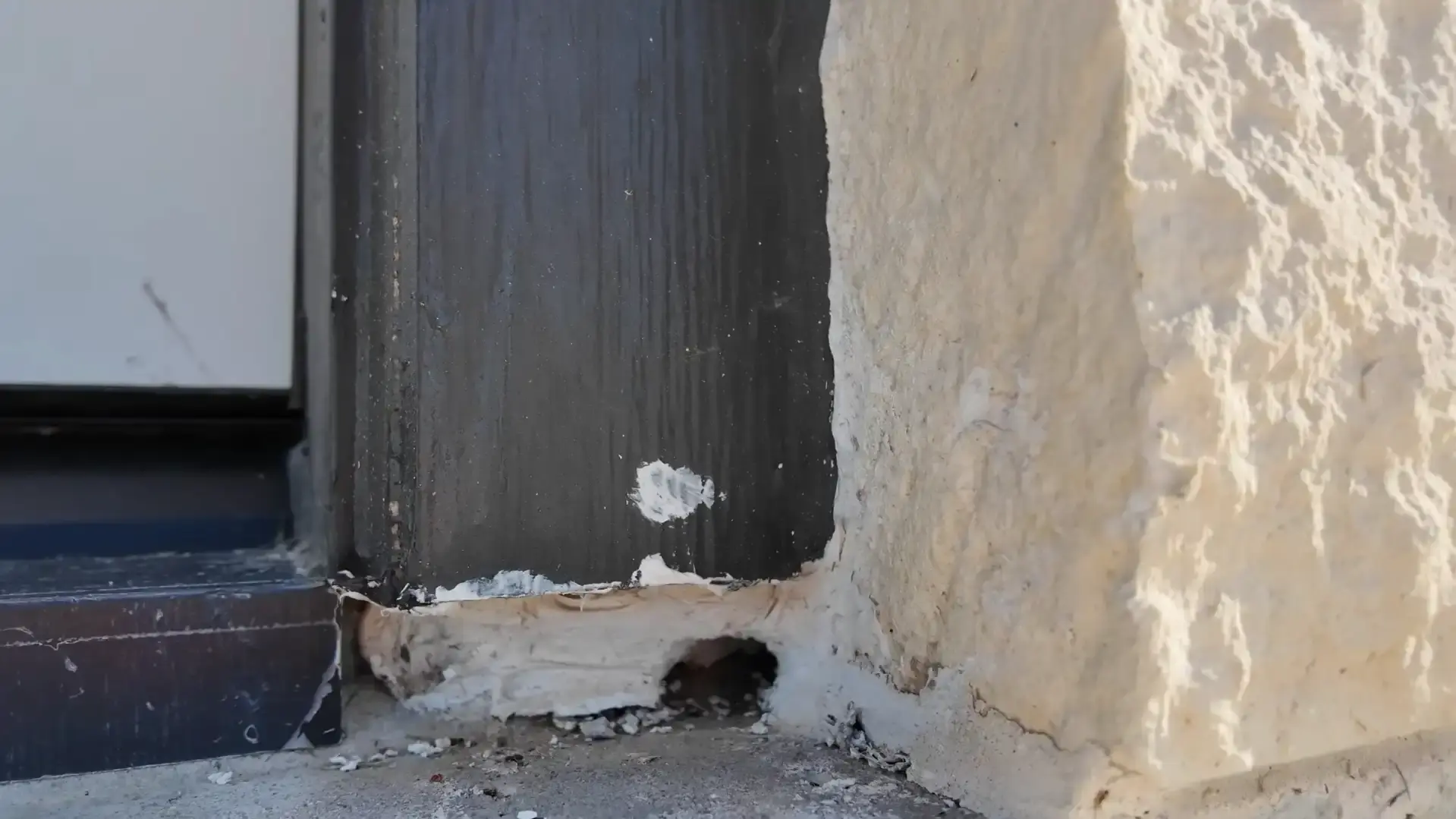 01
Inspect inside and out
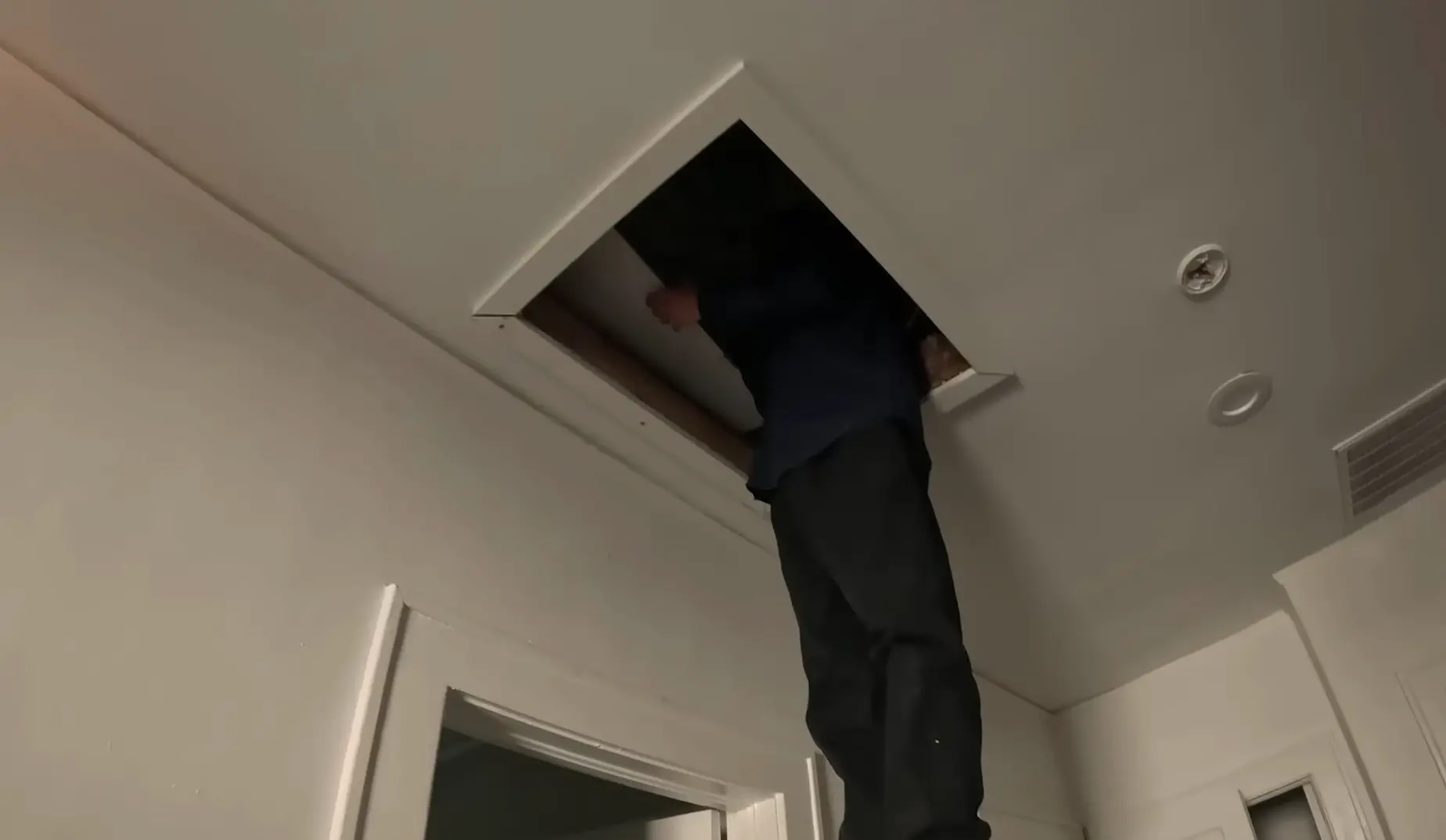
We check the kitchen, garage, attic, crawl space, roofline and utility lines, and we photograph every gap so you can see exactly where mice get in.
What is included
- Inspection visit with photos of every gap
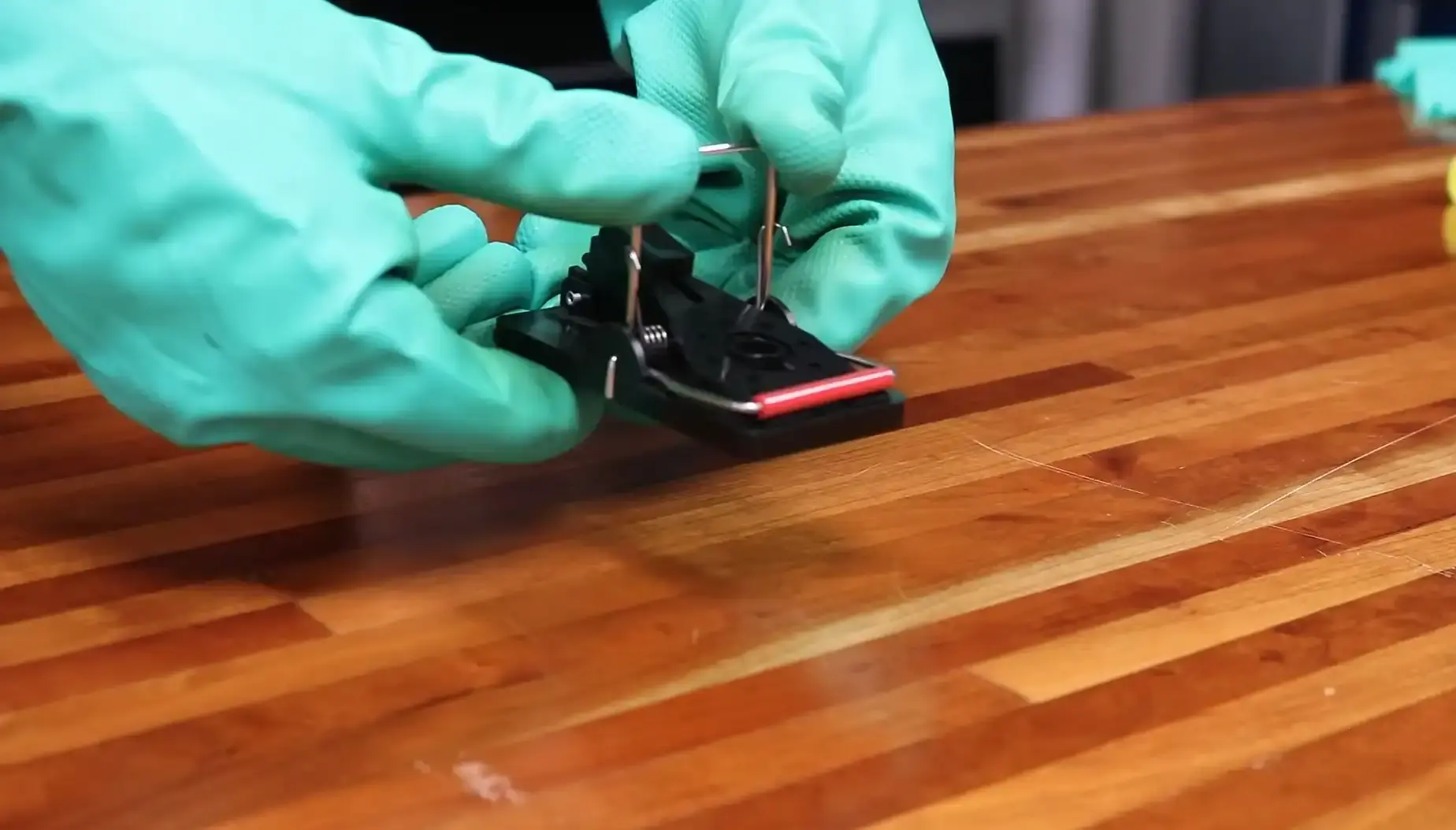 02
Trap the mice
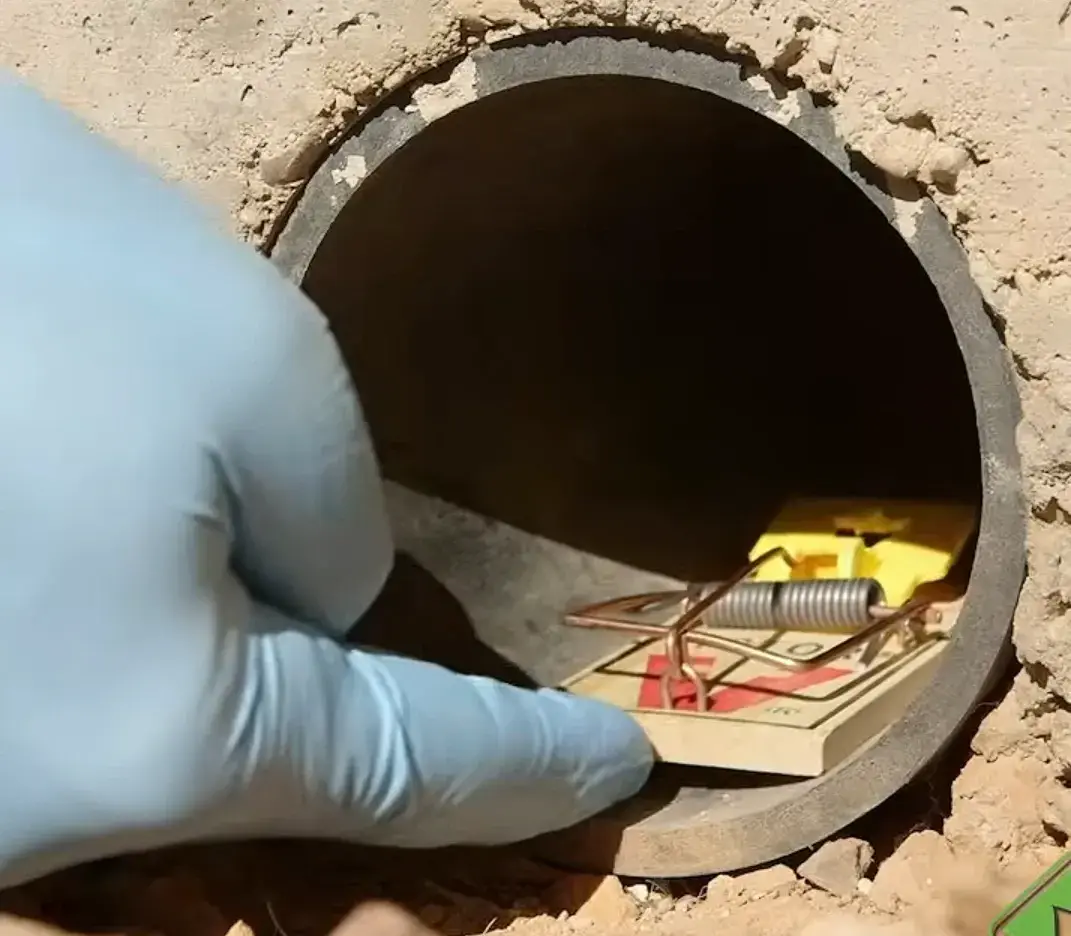
Traps go where mice travel, along walls and behind appliances. Our technicians check and reset them until the traps stay quiet.
What is included
- Trapping in walls, garages, kitchens and attics
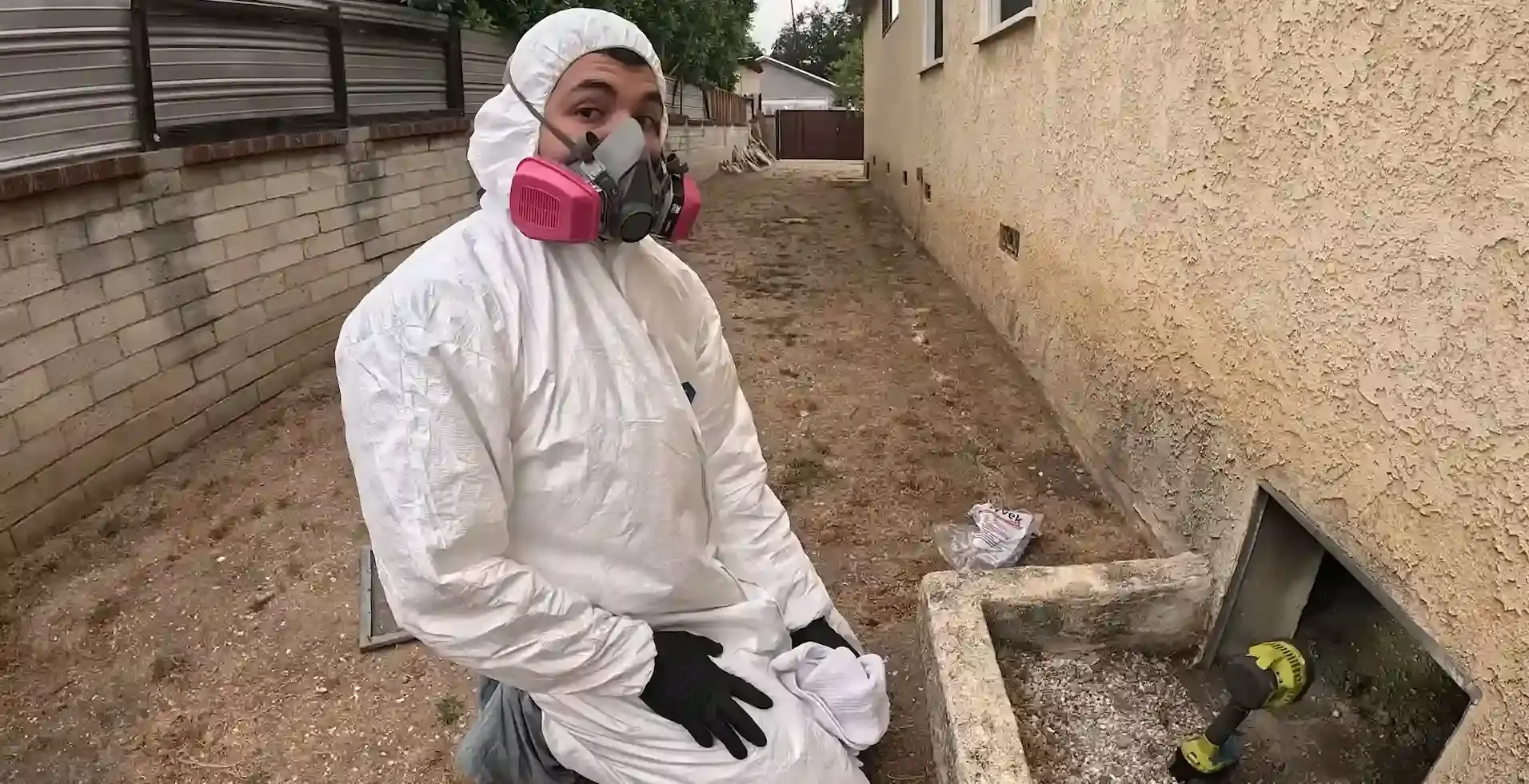 03
Seal the gaps
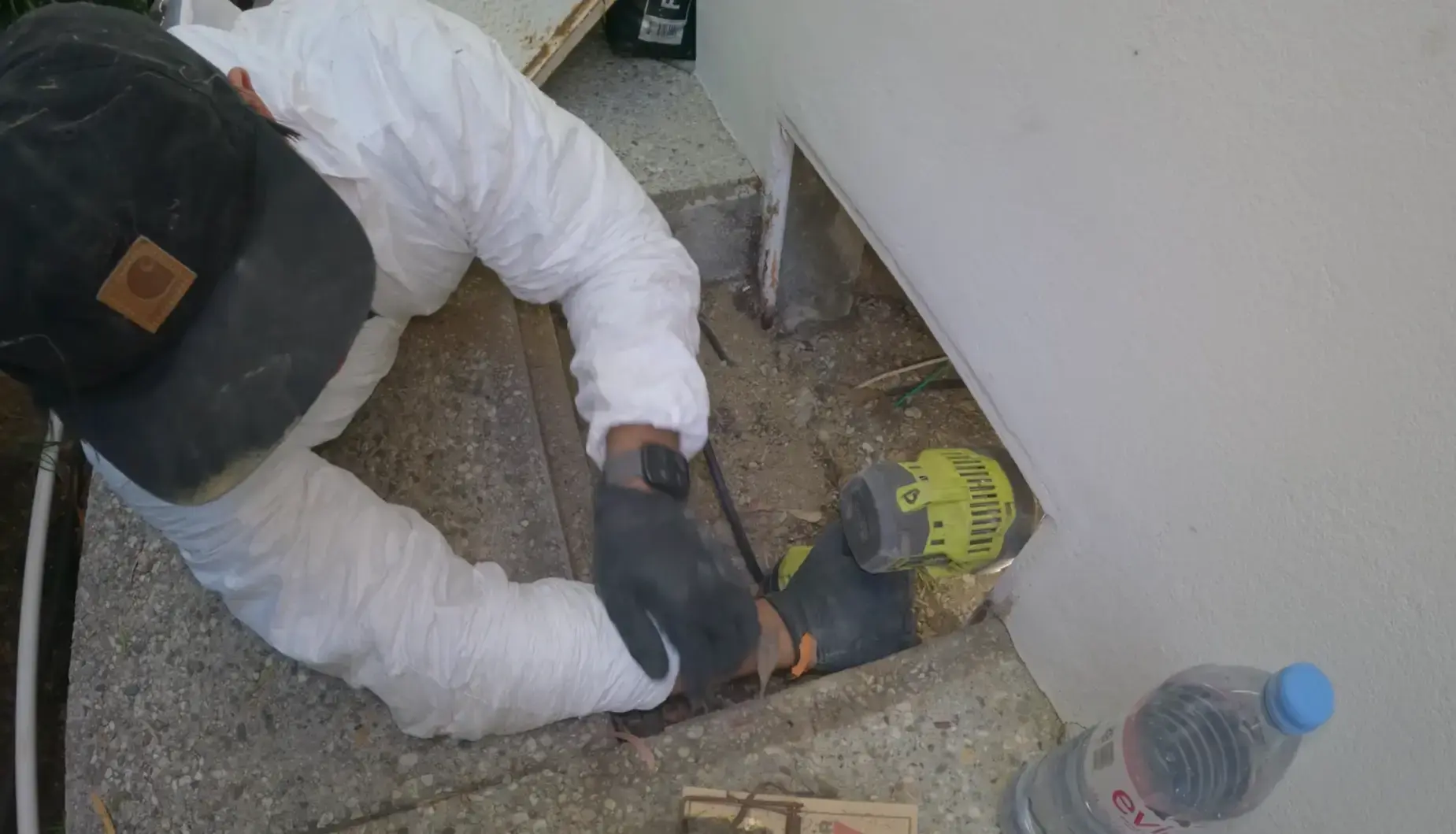
Gaps are closed with steel mesh, sheet metal and door sweeps. Foam and steel wool alone do not hold, because mice chew through them.
What is included
- Sealing with steel mesh, metal and door sweeps
 04
Clean up
Our team members remove droppings and nests and sanitize the area. For attic damage, see cleanup and insulation replacement. More on safety in rodent health risks.
What is included
- Cleanup and sanitizing of droppings and nests
 05
Check back and prevent
Our team returns to confirm there is no new activity, and we give you food storage and yard advice that fits your home.
What is included
- Follow-up visit
- Food storage and yard advice that fits your home
How do I know the mice are really gone?
Look for five quiet days in a row. That means no new droppings, no sprung traps, no chewed bait, no fresh gnaw marks, and no scratching. Pest pros use this as a rule of thumb. It is not an official rule or a guarantee, because mice can avoid traps for a while. That is why we check back and seal the entry points.
What we offer
What Affects the Price of Mouse Control
Every home is different, so we price the job after we see it. Four things move the number most:
How many entry points we find
Mice can squeeze through very small gaps, so a house can have many openings. Each one needs metal and time to seal properly, and you see photos of every gap before the quote.
How active the mice are
A few mice along one wall need fewer trap checks than activity in the attic, kitchen and garage. We keep checking until the traps stay empty before we seal.
How hard the areas are to reach
Tight attics, low crawl spaces and the backs of cabinets slow the work down. That extra time is part of the quote, and we explain it up front.
Cleanup and attic work
Droppings and soiled insulation are cleaned up only if the home needs it, and they are quoted separately. That way you are not paying for work you do not need.
You see the full price in writing before any work starts
Be careful with a very low price that leaves out sealing, because mice usually come back.
Santa Barbara rodent control
Mouse Exterminator in Santa Barbara, or Can You Do It Yourself?
Honest answer: for one mouse, you can. Snap traps from a hardware store, set along the wall where mice run, often work. Store food in sealed containers and clean up crumbs.
Call a pro if you hear mice in the walls, find droppings in several rooms, see mice in daylight, or already tried traps for a couple of weeks.
- A good mouse exterminator in Santa Barbara finds the holes you cannot see and seals them. We do not use glue boards.
- Mice on them suffer for hours, and pets can get stuck.

Santa Barbara rodent control
What Happens to the Mice We Catch
Mice we catch are not turned loose. House mice are not native to California. A mouse let go outside a house that still has gaps is likely to come back through the same hole, and a mouse dropped near a neighbor becomes the neighbor's problem.
Snap or closed traps first
University of California pest guidelines recommend snap traps for most mouse jobs, placed along walls, behind objects, in dark corners and wherever droppings show up. We use snap traps and closed traps.
Our technicians do not use glue boards
A mouse stuck on glue suffers for hours, and the board catches pets, lizards and birds too.
Check, reset, count
Mice are small and quick. Our technicians check the traps, reset them and count what we catch. Five quiet days in a row tells us the mice are gone.
Handled with gloves and bagged
A dead mouse is picked up with gloves, sealed in a bag and placed in a second sealed bag before it goes in the trash, and the crew washes up afterward.
Nests and droppings are wetted first
Our team members spray them with disinfectant before we lift them, so no dust rises. Nothing is swept or vacuumed dry.
Deer mice get extra care
Deer mice can carry hantavirus. Our technicians wet the mouse and the nest with disinfectant, let it soak, and bag it, and we never sweep or vacuum dry droppings. See the deer mice and hantavirus page.
A mouse that dies in a wall is a different job
Poison and missed traps are how it happens. If you smell something and cannot find it, see dead rat smell removal; it covers mice too.
Why choose us
Why Choose Us for Mice Control
Most complaints about pest companies come down to the same few things. Here is how we handle them.
| What matters | Common shortcut | How we do it |
|---|---|---|
| Sealing | Traps only, with the gaps left open | Every gap closed with steel mesh, sheet metal or door sweeps |
| Proof | "We took a look around" | Photos of every gap and every sign of activity |
| Glue boards | Sticky boards that hold mice for hours | We do not use glue boards. |
| The quote | A vague price that changes | A written quote before work starts |
| After the job | Done once the traps come out | We come back to confirm it is quiet, and we seal any new gap |
| "There are no mice" | A quick look, then you are told there is nothing | Believe your droppings. We check wall voids, behind appliances and along baseboards, and you get photos even if it is a small problem |

Where we work
Where We Do Mice Control in Santa Barbara
We work in The Eastside, Westside, The Mesa, Downtown, Isla Vista, Goleta, Montecito, Carpinteria, and the rest of the South Coast.
Mice are a year-round problem, with the fall as the busiest season. Our technicians work in rentals around Isla Vista and the Mesa, in older homes in the Westside and the Eastside, and in garages across Carpinteria and Bel Air and Hidden Valley.

How long does it take to get rid of mice?
Small problems clear in about 3 to 5 days, and hidden ones can take two to three weeks. Trapping takes a few days. We then seal the gaps and check back. Mice in wall voids, the attic, or a crawl space take longer. The crew tells you what to expect after the inspection.
Can mice squeeze through tiny gaps?
Yes. A mouse can fit through a hole about the size of a dime, roughly a quarter inch. Check around pipes, vents, garage doors, and where wires enter the house. A small gap is enough. This is why sealing with metal is the key step, and why we inspect the whole house instead of one room.
Are mouse droppings dangerous?
They can be. Droppings and urine can carry germs, and dry droppings can put dust in the air. Do not sweep or vacuum them. Wear gloves and a mask, spray them wet, and wipe them up. For attics and crawl spaces, call a pro.
Is it safe to use poison if I have pets?
It is risky, so we do not recommend it. Pets can eat the bait, and mice that eat it can die inside walls, where the smell lasts for weeks. Snap traps, closed traps, and sealing the gaps remove mice without that risk. If a pet may have eaten poison, call your vet right away.
I have mice and cannot afford a pest company. What should I do?
Start with sealing and snap traps, then call for an inspection. Stuff steel wool and metal mesh in small gaps, set traps along walls, and store food in sealed containers. The inspection tells you the real size of the problem, so you do not pay for more than you need.
Is it worth hiring someone for mice?
For one mouse, maybe not. For noise in the walls or droppings in several places, yes. Mice do not leave on their own while they have food, warmth and a nest, and waiting usually costs more than fixing it early. A pro finds the entry points, and that is what stops them from coming back. Repeated store traps and sprays can cost more over time than one proper job.
Can I catch mice alive and let them go outside?
You can, but it rarely solves the problem. A live-caught mouse released close to your home tends to return, and a mouse dropped farther away is someone else's problem. If you try it, wash your hands afterward and wear gloves. The lasting fix is sealing the gaps so no new mouse can get in.
Santa Barbara rodent control
House Mice, Deer Mice or Rats? What Is in Your Home
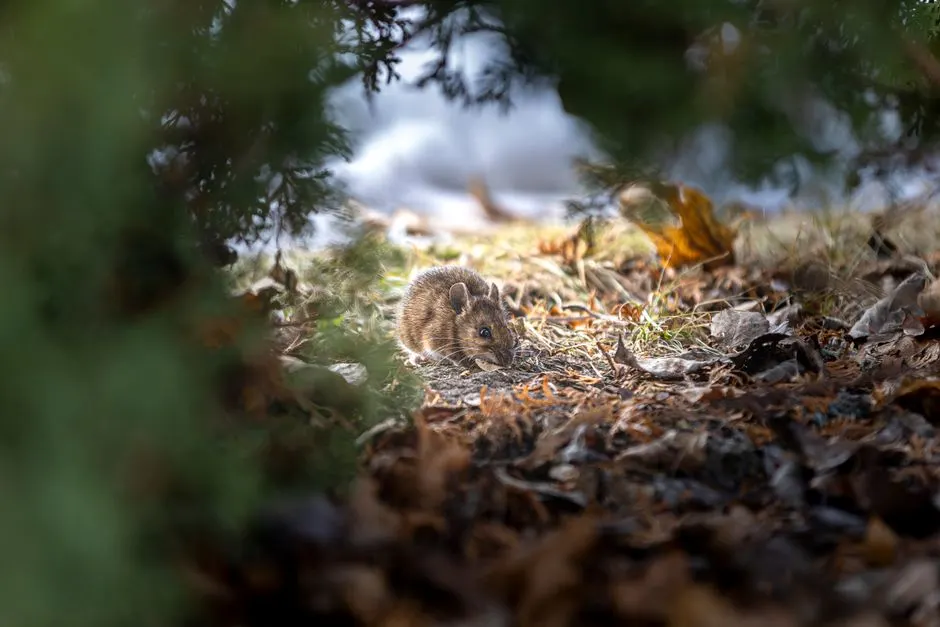
House mice are the usual guest. They live in kitchens, garages, and walls, and they are small with a pointed nose. Deer mice live more in brush and wooded areas, like the foothills. They have a white belly and a two-color tail.
Deer mice can carry a rare virus called hantavirus. That is one reason not to sweep or vacuum dry droppings. Wear gloves and a mask, wet them first, and wipe them up. If the droppings are half an inch long, you may have rats instead. See rat removal.

Why it happens
Why Mice Come Into Santa Barbara Homes
Mice want warmth, food, and a hidden place to nest. A kitchen has all three. They get in through gaps under garage doors, around pipes and wires, and through small cracks in the foundation. Rain and cooler nights can push more mice indoors in fall and winter.
We see them in older Eastside bungalows, in condos near Milpas Street, near SBCC on the Mesa, and in student rentals in Isla Vista near UCSB. Garage mice often reach the house through shared walls and the holes around pipes. Treat the garage and the house together.
Why do I still have mice after I set traps?
Because traps only catch the mice that are there now. More mice will come in through the same gap. Some mice also learn to avoid new traps, so putting traps in the wrong spot wastes days. One person on Quora said they spent money on exterminators and handymen and still had mice. Usually a gap was missed, and sealing fixes that.
More ways we help
Our Other Rodent-Control Services
Rat Removal
Trapping, sealing and cleanup for rats in the attic, walls and yard.
View this service →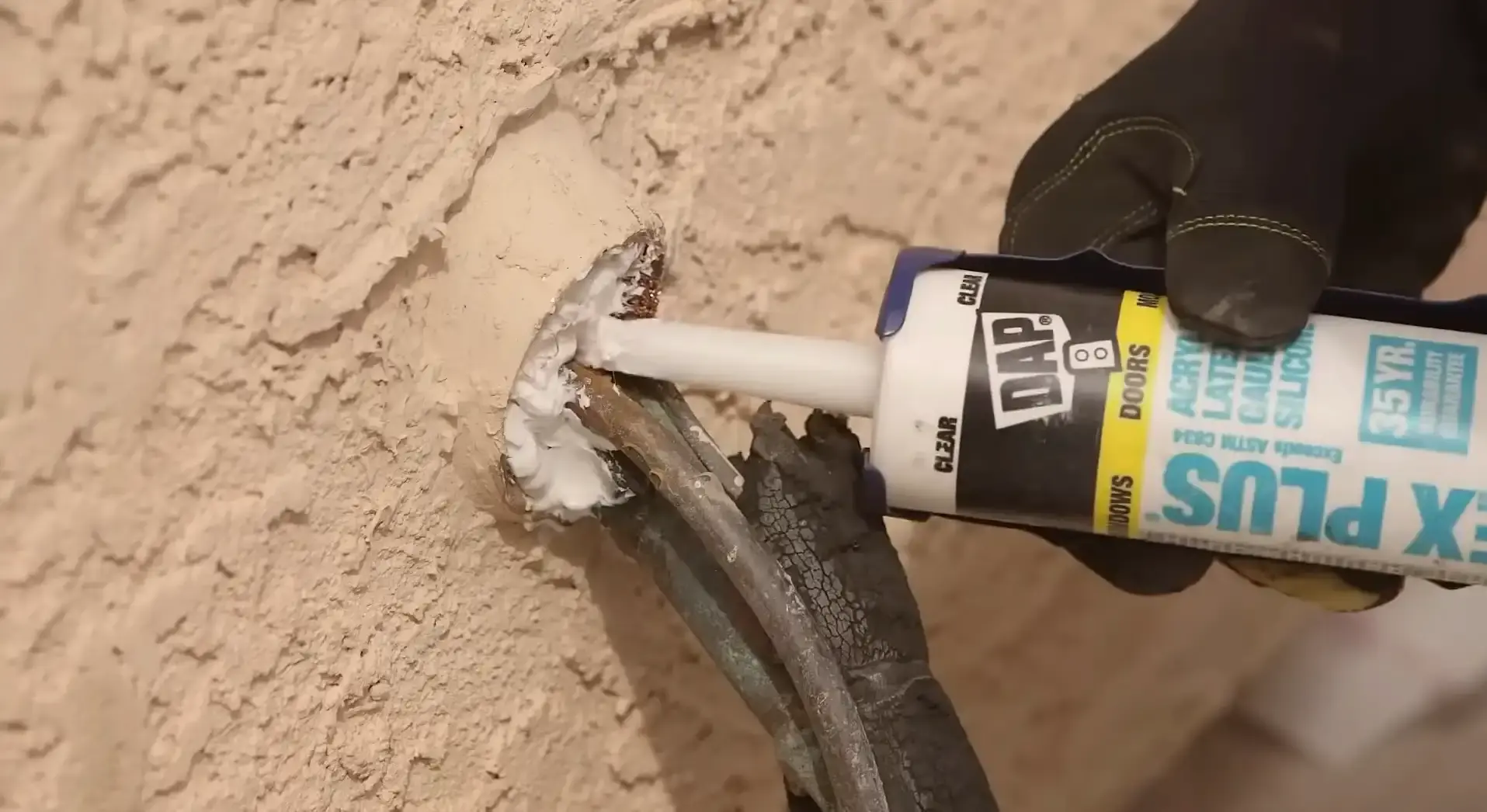
Rodent Exclusion & Proofing
Sealing the gaps rodents use with metal so they stay out.
View this service →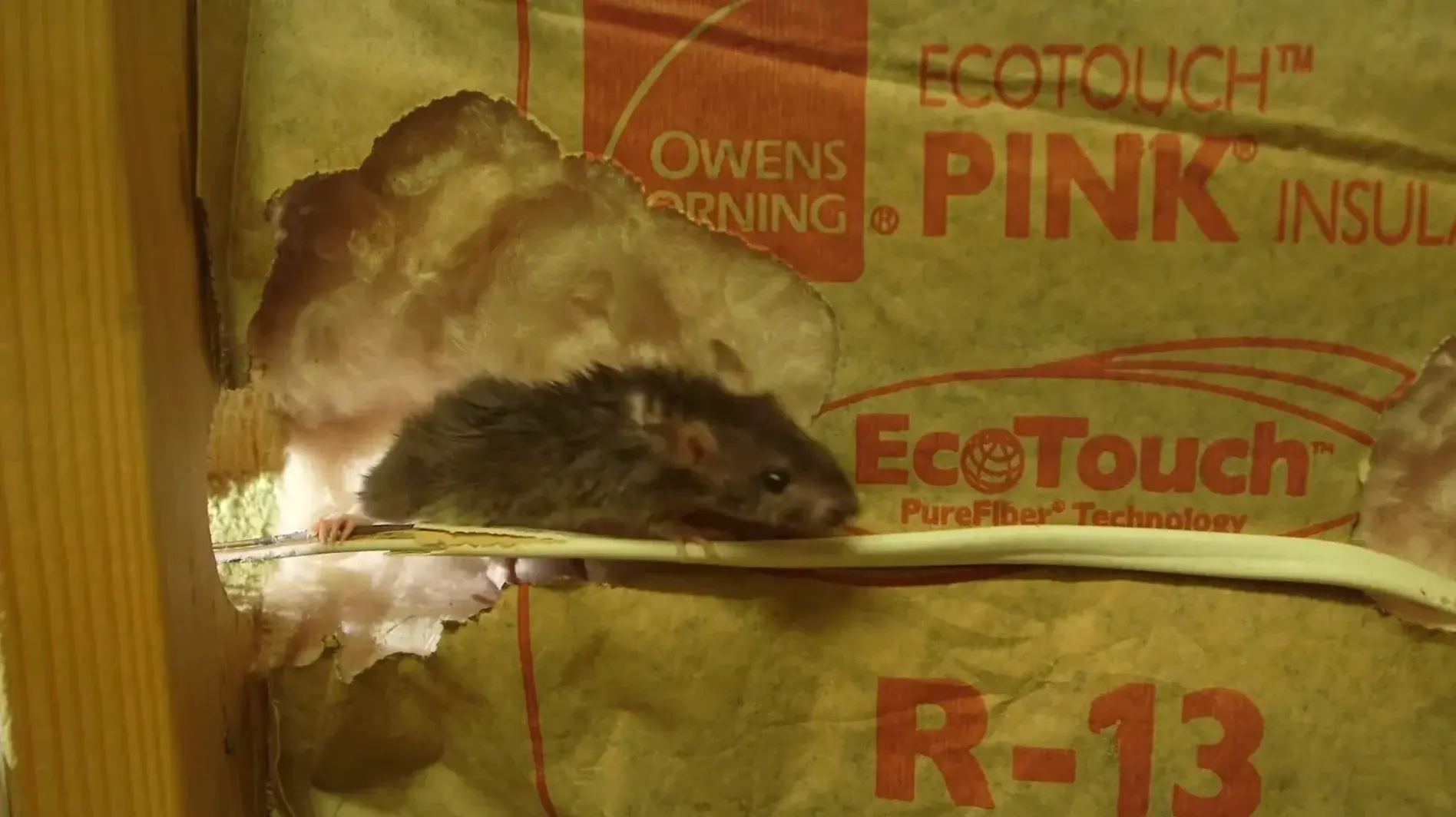
Attic Rodent Removal
Rats and mice out of the attic, with cleanup.
View this service →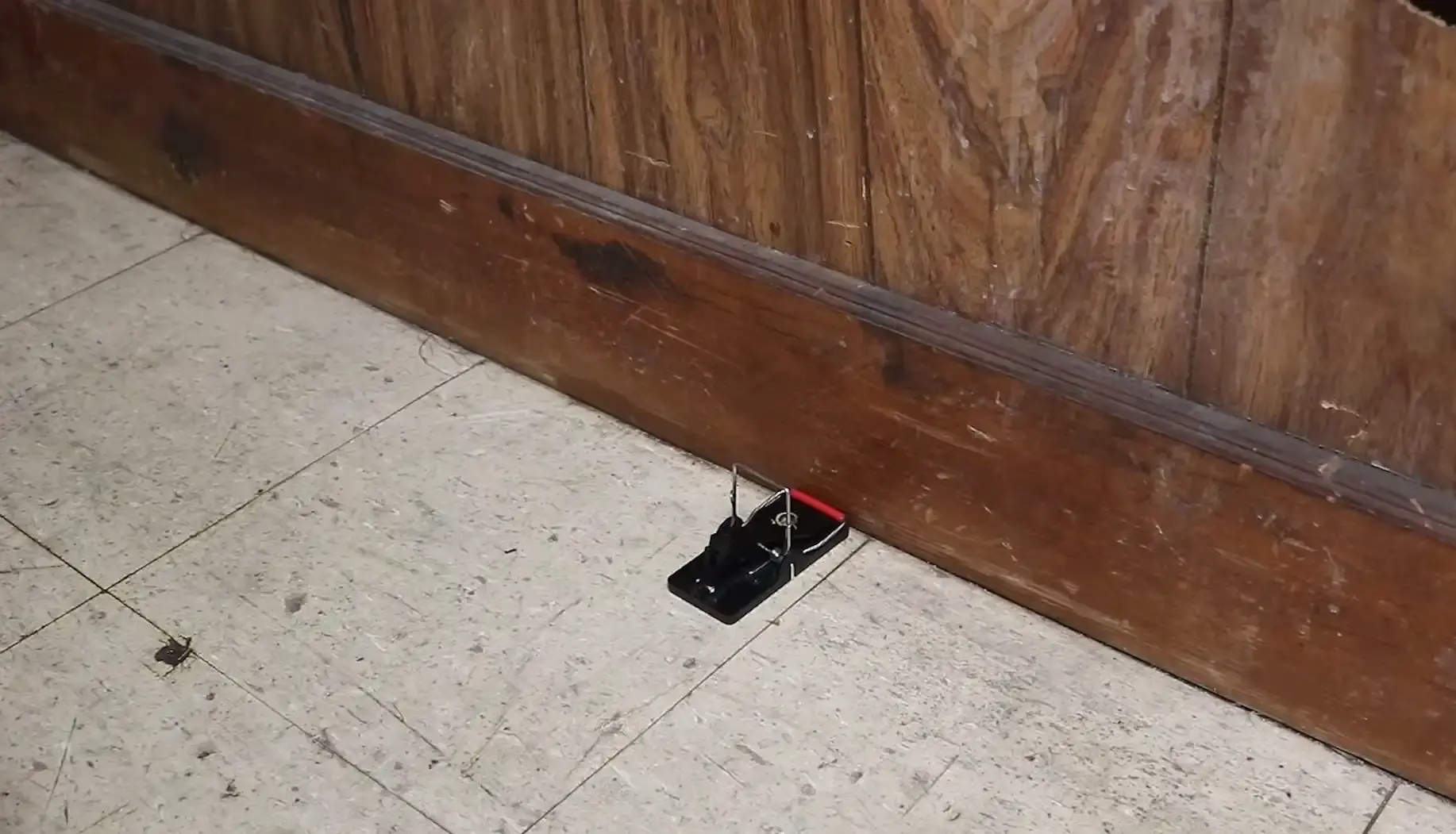
Vacant & Second Homes
Checks and sealing for empty and second homes.
View this service →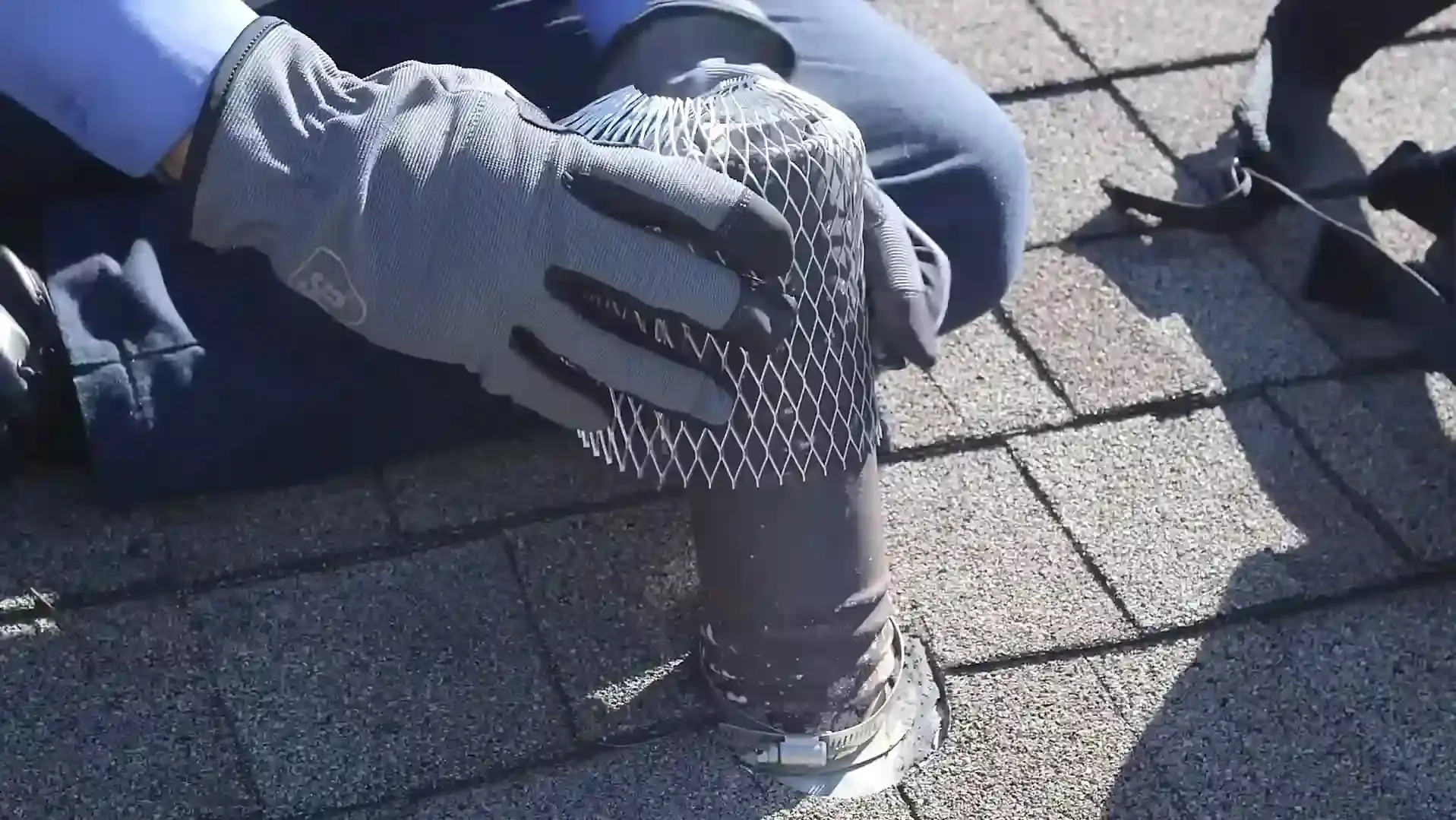
Squirrel Removal
Humane, legal squirrel removal and roof sealing.
View this service →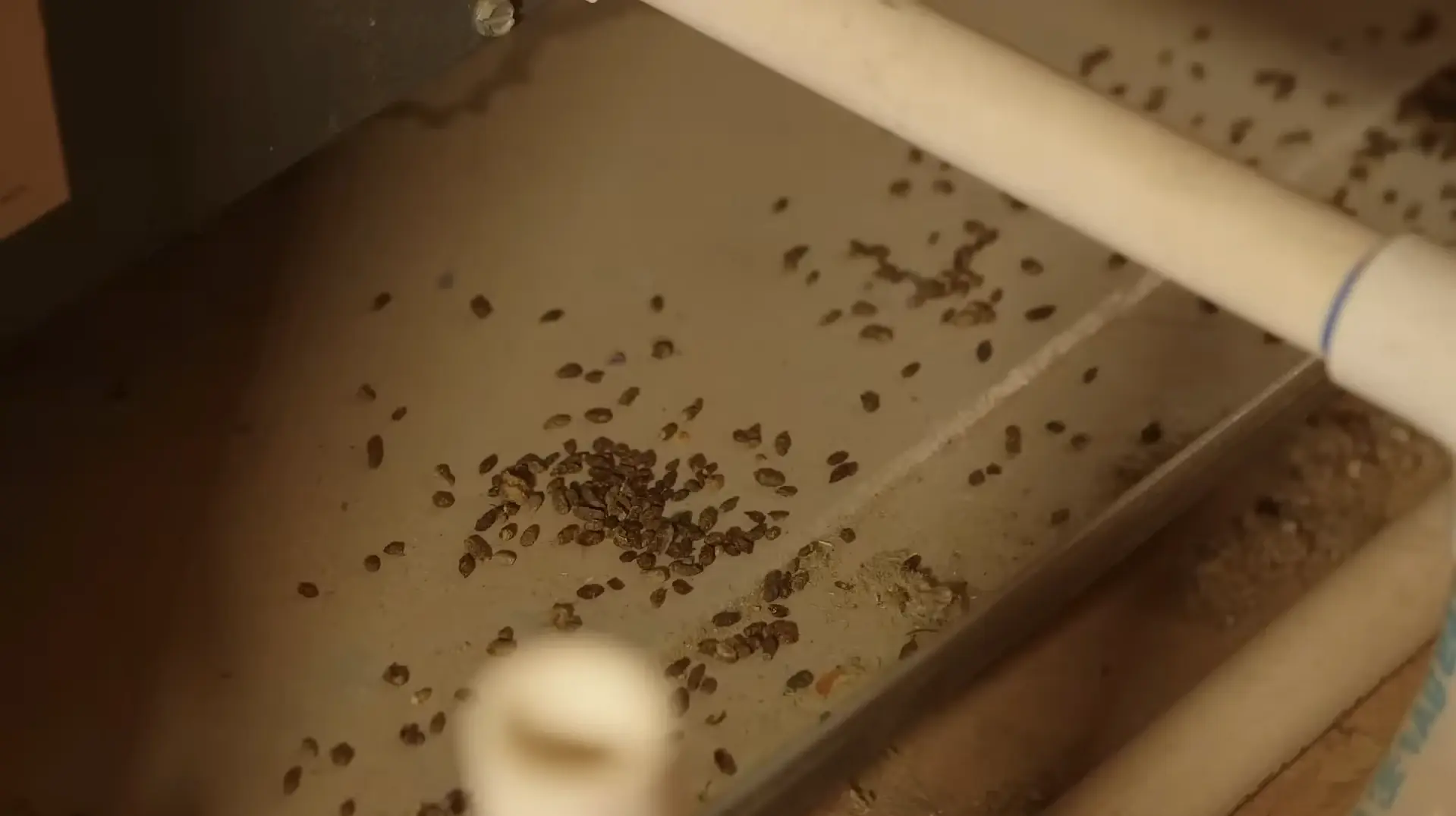
Cleanup & Insulation
Safe droppings cleanup and insulation replacement.
View this service →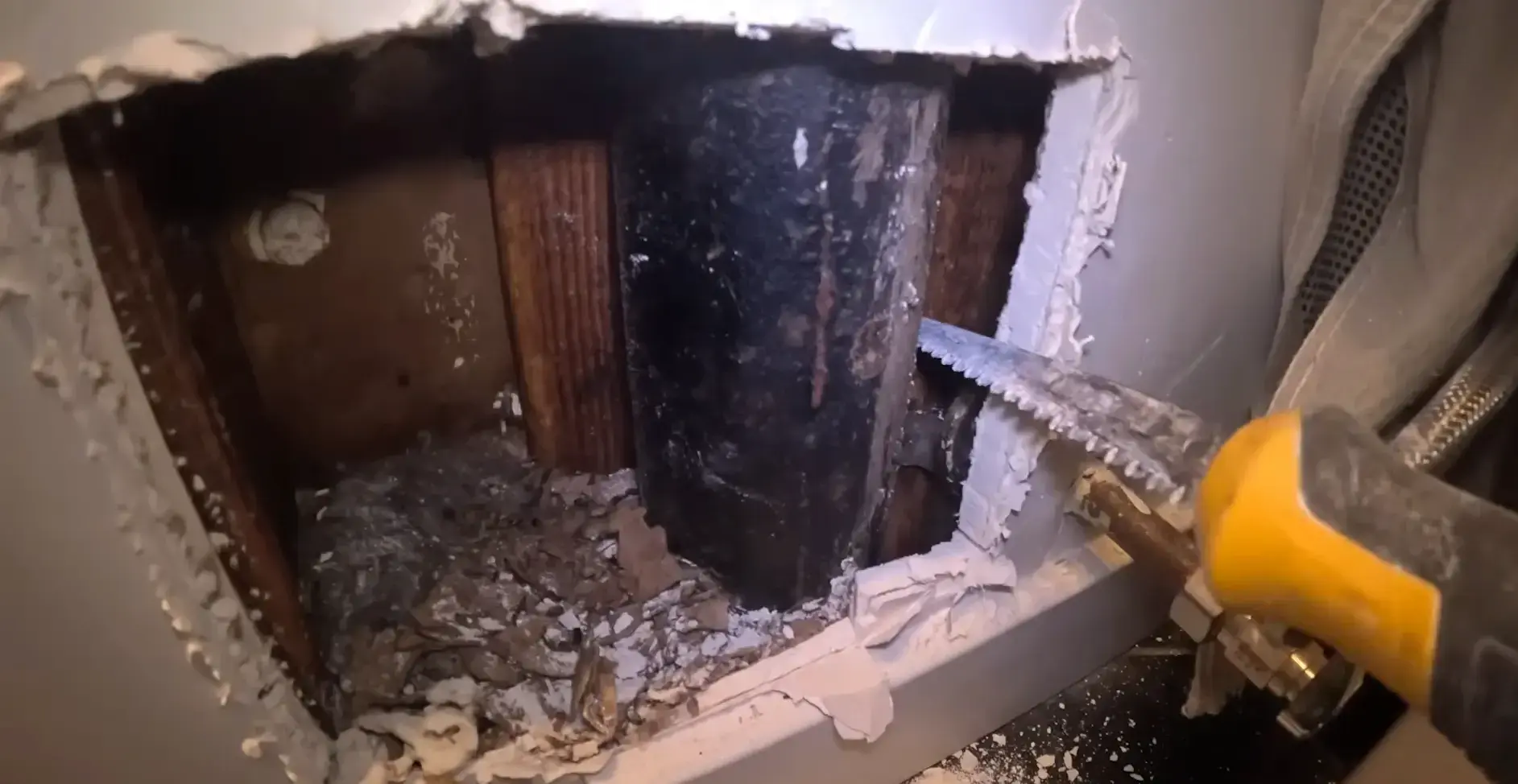
Dead Rat Smell Removal
We find and remove the source of a rotten smell.
View this service →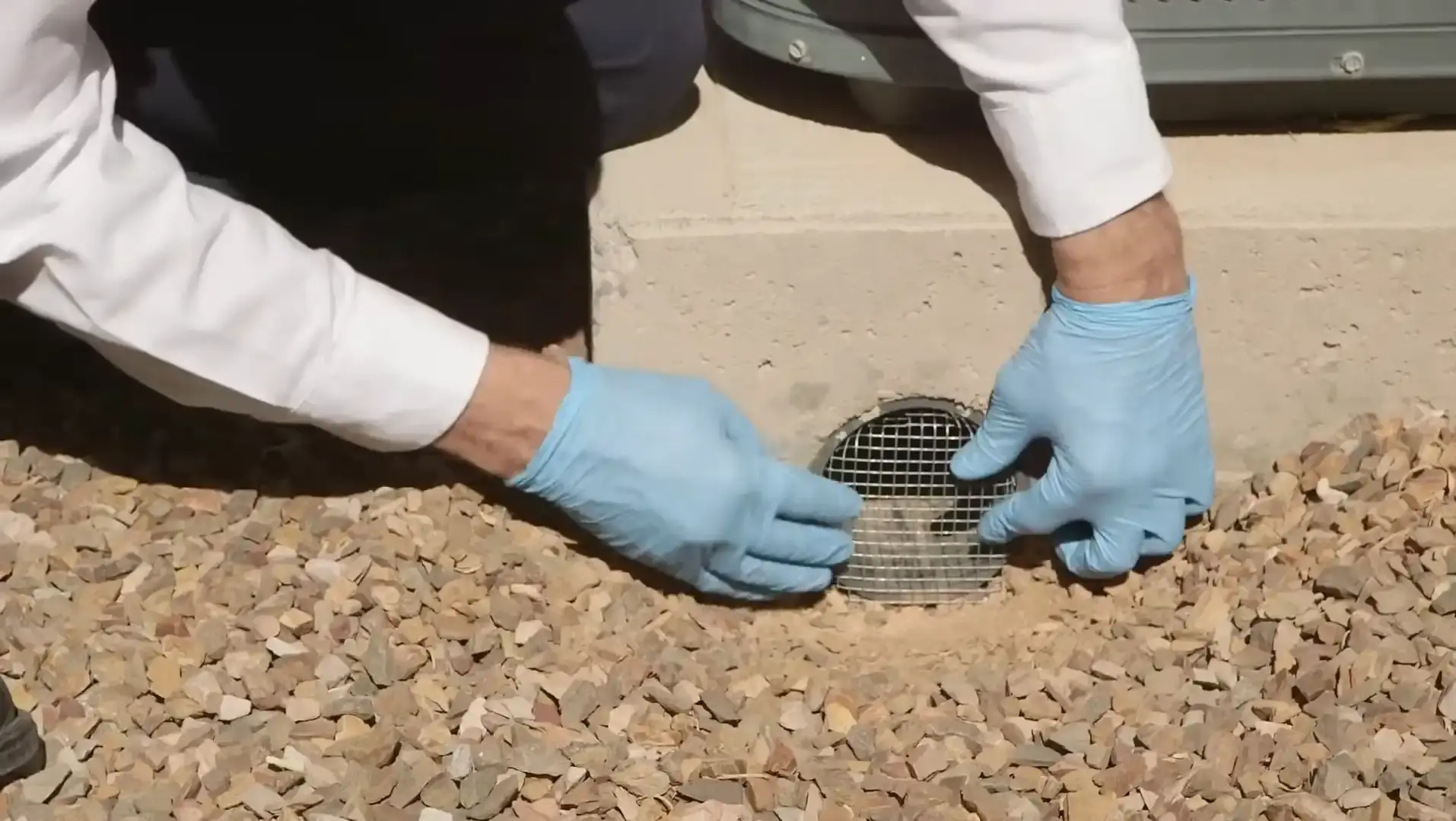
Crawl Space Control
Rodents out from under the floor, with vents and gaps sealed.
View this service →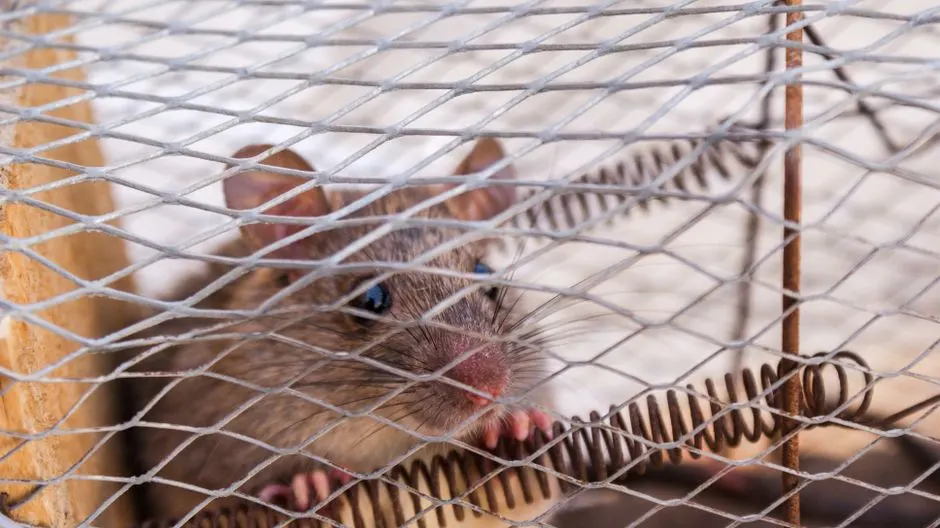
Commercial Control
Discreet control for restaurants, shops, hotels and offices.
View this service →
Airbnb & Vacation Rentals
Fast response and reports for vacation rental hosts.
View this service →
Property Managers & HOAs
Building-wide control for landlords and HOAs.
View this service →Spotted mouse signs?
A few photos can tell us if it is mice
Mice leave small clues in kitchens, garages and cabinets. These photos help us find how they are getting in.
- 1Droppings
Small, dark and about the size of a grain of rice. Photograph drawers, under sinks and along baseboards.
- 2Chewed packaging
Torn cereal boxes, bread bags or pet food bags.
- 3Gaps near pipes
Under sinks, behind the stove and around dryer or range vents.
- 4Nests
Shredded paper, fabric or insulation in a hidden corner.
- 5The garage door
A shot of the bottom seal and the side door, where gaps are common.
Ready when you are
Ready for Mice Control in Santa Barbara?
Do not wait until the scratching moves into the walls. Mice control Santa Barbara homeowners can rely on starts with an inspection. Call us, or send a photo of what you found. We will tell you what you have, how it got in, and what it takes to fix it.
- Call us(805) 429-3801
- Email[email protected]
- Office716 N Milpas St, Santa Barbara, CA 93103
- HoursMonday to Saturday, 8:00 AM to 6:00 PM