
Rodent Shield Santa Barbara
Roof Rats Santa Barbara, CA — How to Spot and Stop Them
Serving the Riviera • Mesa • Montecito • Hope Ranch • Goleta. Roof rats climb palms, ivy and fruit trees to reach your roof. Here is how to spot them, and how we stop them. Free consultation.
Santa Barbara rodent control
Roof Rats Santa Barbara Homeowners See: How to Tell Them Apart
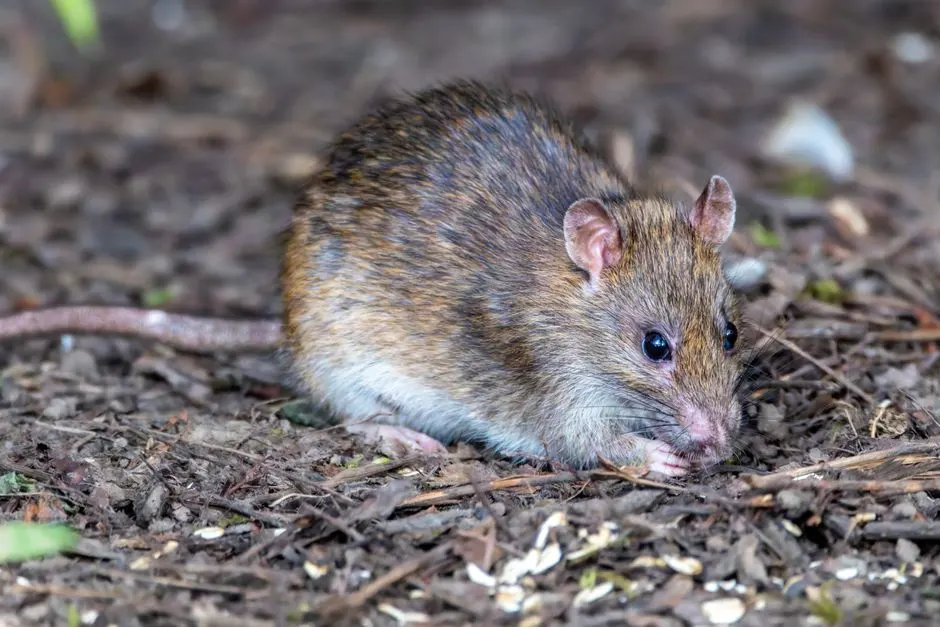
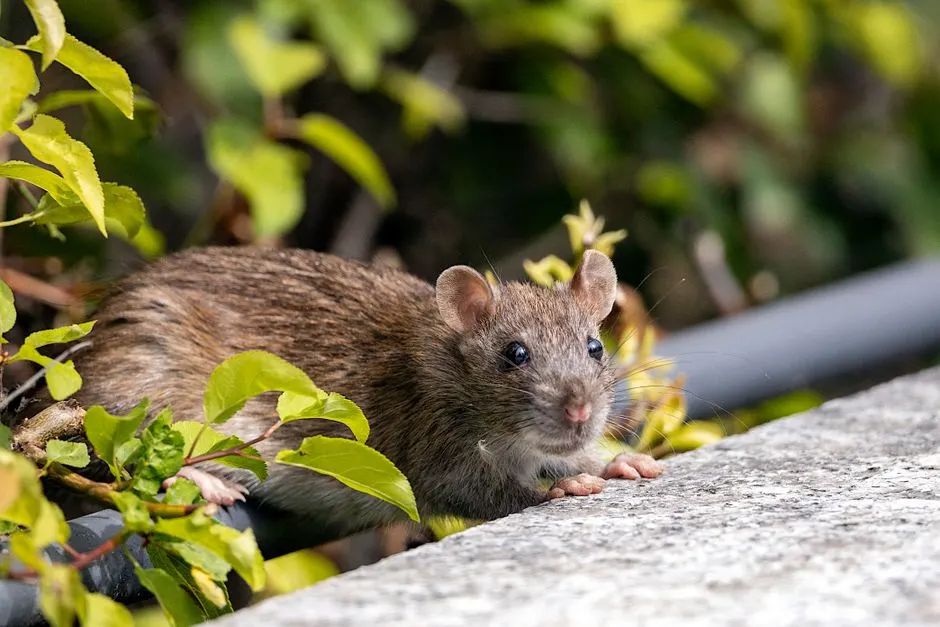
Roof rats in Santa Barbara are the rats that live above the ground. They nest in palm crowns, ivy and thick shrubs, then travel along branches, fences and wires to your roof. UC Integrated Pest Management (UC IPM) calls them agile climbers that are often seen running along overhead lines and fence tops at night.
They are also called black rats. Many Santa Barbara yards have the food and cover they like: fruit trees, bird feeders, dense hedges and old ivy. UC IPM notes that roof rats prefer warm climates and coastal areas.
How can I tell a roof rat from a Norway rat?
Check the tail: on a roof rat it is longer than the head and body together. A Norway rat has a thicker body and a shorter tail. Roof rats are slimmer, with a pointed nose and big ears. The ears reach the eyes when folded forward. Droppings and where you hear the noise help too.
| Roof rat | Norway rat | |
|---|---|---|
| Tail | Longer than head and body | Shorter than head and body |
| Build | Slim and sleek | Thick and stocky |
| Adult weight | 5 to 10 oz | 7 to 18 oz |
| Nose | Pointed | Blunt |
| Nests | Above ground: trees, ivy, attics | In burrows: foundations, crawl spaces |
| Litters | 3 to 5 a year, up to 8 young | 4 to 6 a year |
Source: UC IPM Pest Notes: Rats. Tail test: if you cannot see the animal, droppings and the location of the noise point the same way. See our Norway Rats page for the ground-level kind.
Why it happens
Why Santa Barbara Gets Roof Rats: Palms, Ivy, Fruit Trees and Tile Roofs
Santa Barbara gives roof rats what they want all year. Winters are mild, yards are full of cover, and food is easy to find. UC IPM says roof rats are active throughout the year, mostly at night, and nest in trees, dense shrubs and ivy.
Fruit is a big draw. Roof rats feed on oranges, avocados and other fruit, and can leave hollow skins hanging on the tree. Bird seed, pet food and fallen fruit on the ground add to the menu.
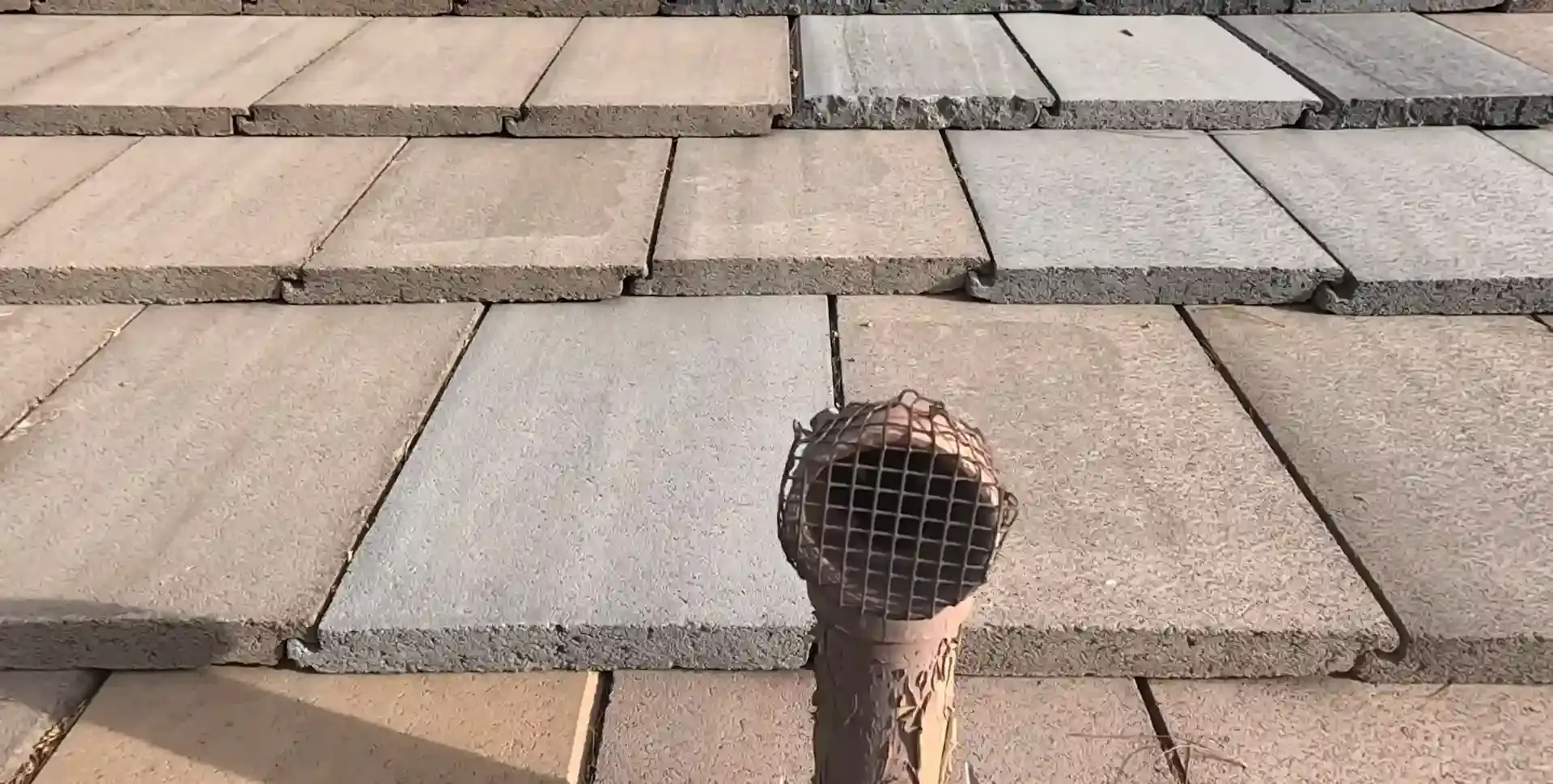
The house itself helps them in. Vents, open eaves and gaps around pipes and wires are common doors for a climber. UC IPM notes that roof rats are excellent climbers, so openings above ground level must be plugged too.
Rats have also been a long-running issue downtown. The Santa Barbara Independent reported in 2022 that the city pays for rat trapping on State Street. The article does not say which species the city traps. See the report.
Why do I have rats if my house is clean?
Rats come for your yard, not your kitchen. A spotless house can still have a fruit tree, a bird feeder, thick ivy or a pile of wood nearby. Roof rats use those for food and shelter. Then they find one small gap in the roofline and move in. Clean helps, but sealing the gap is what stops them.
Are roof rats here all year?
Yes. Roof rats stay active all year in places like Santa Barbara. They do not hibernate, and mild weather means little slowdown. You are most likely to hear them at night, when they travel along branches, fences and wires.
Do roof rats come inside the house?
Yes, and they usually enter at the roofline. UC IPM says roof rats favor attics, wall and ceiling voids and cabinets indoors. They squeeze through small gaps at eaves, vents, pipes and wires. Young rats can pass a gap about half an inch wide, so UC IPM advises sealing holes larger than a quarter inch.
What to look for
Signs of Roof Rats in Your Attic, Walls and Yard
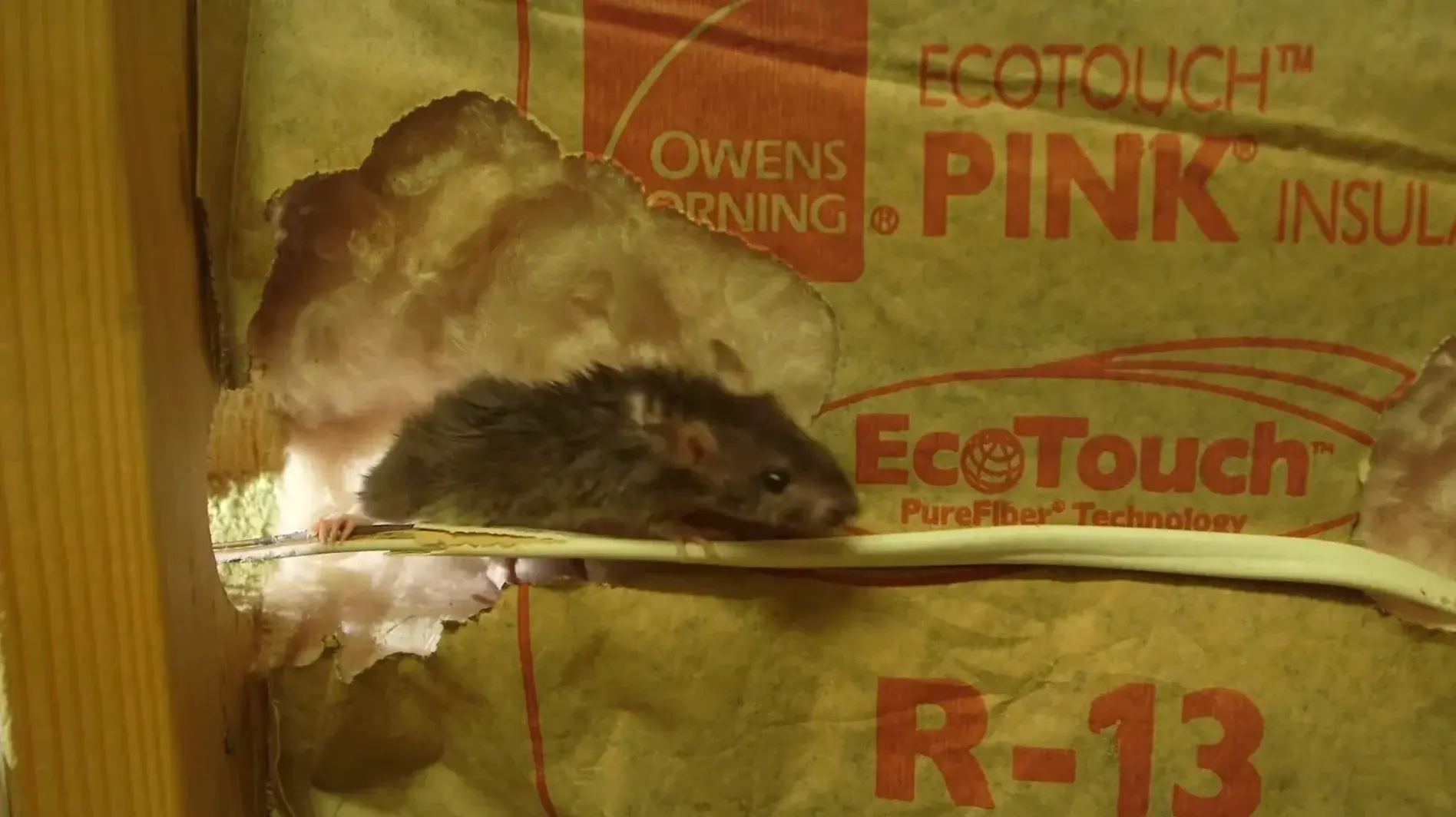
Roof rats leave clues outside first, then inside. Look for more than one sign before you decide. One dropping may be old, but fresh droppings, noise and chew marks together mean active rats.
Noise at dusk and night
Scratching, scurrying or thumping in the attic, ceiling or upper walls, because roof rats travel above ground.
Droppings
Dark, smooth and pointed at the ends, in the attic, along beams and on fence tops.
Greasy rub marks
Dark smears where their fur rubs against rafters, pipes and wall edges, per UC IPM. They show routes used again and again.
Gnaw marks
Rat tooth marks are about 1/6 inch wide. Mouse marks are about 1/12 inch, per UC IPM, so the width tells you which animal it is.
Nests
Shredded insulation, leaves and twigs, often high in the attic or in palm crowns and ivy.
Hollow fruit
Avocados and oranges with holes or empty skins left hanging on the tree are a classic roof rat sign.
Chewed wires or pipes
A fire and leak risk, so do not ignore it. Have an electrician or plumber check the damage.
What do roof rat droppings look like?
Dark, smooth and about half an inch long, with pointed ends. Cornell puts roof rat droppings at about 1/2 inch. Mouse droppings are 1/8 to 1/4 inch, closer to grains of rice. Do not sweep or vacuum dry droppings. Wet them first and for heavy mess, see our rodent cleanup service.
What noises do roof rats make in the attic?
Scratching, scurrying and thumping, mostly at dusk and through the night. Rats are heavier than mice, so you may hear distinct footsteps overhead. Gnawing and squeaks also happen. If the sound is in the daytime, it may be squirrels. See our Squirrel Removal page.
Are roof rats ever seen in the daytime?
Rarely, and it can mean a crowded nest or a day food source. Roof rats are mainly nocturnal. They may come out in daylight if they are disturbed, hungry or sick, or if food is available. One daytime rat means look harder for the nest and for the food that is drawing it.
Sealing
Roof Rat Removal Santa Barbara Homes Need: Trap Above, Seal Every Gap, Trim the Highway
Good roof rat control in Santa Barbara has three parts. Remove the rats, close the holes, and cut off the routes they use to reach your roof. Skip any one and new rats arrive.
UC IPM calls exclusion the most successful and longest-lasting method. Roof rats take more effort than other rats because they climb, so openings above ground must be sealed too. Our rat removal service and rodent exclusion and proofing service follow these steps.
Inspect
Check the roofline, eaves, vents, pipe and wire gaps, garage and the trees and ivy touching the house.
Trap where they travel
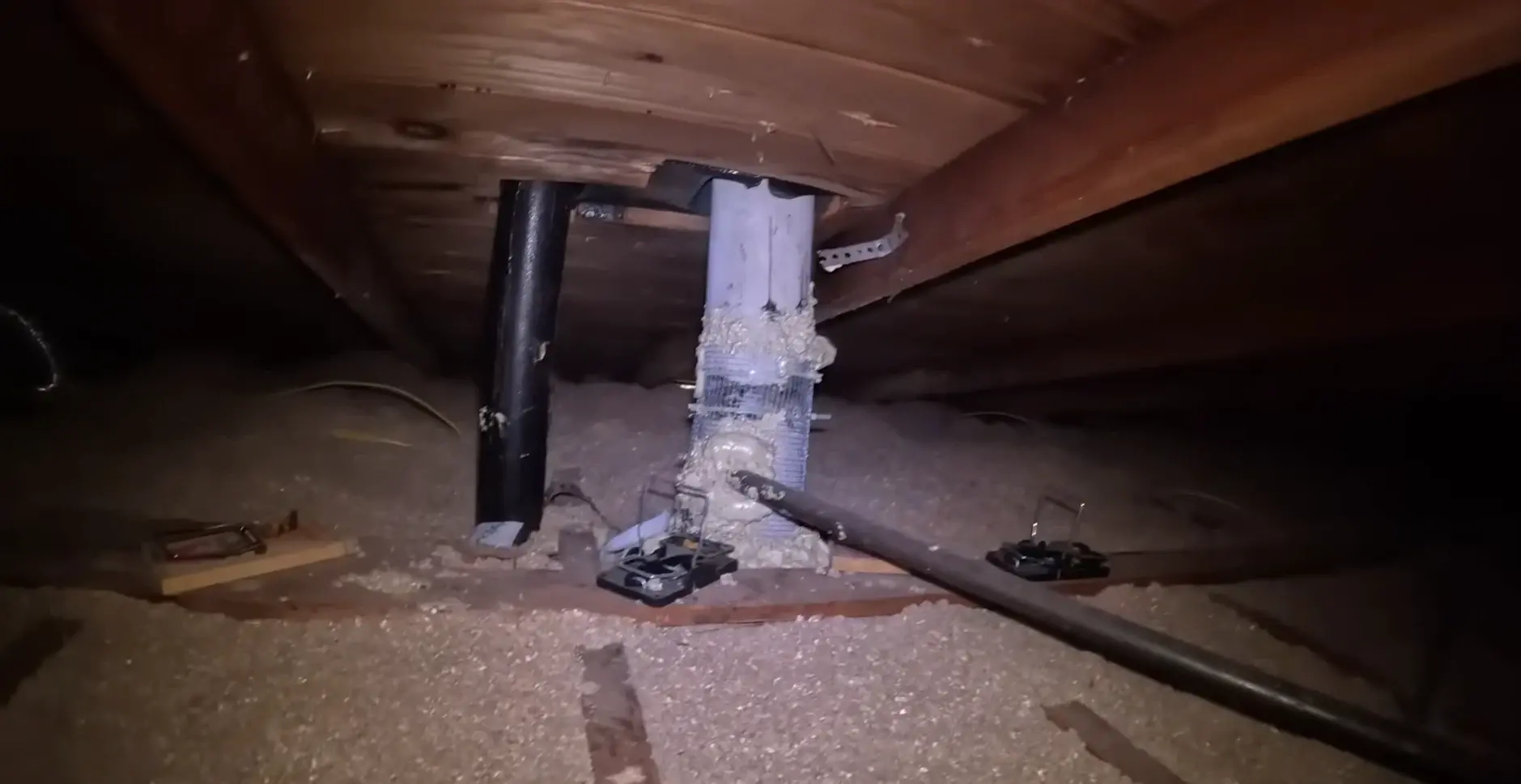
Set rat-sized snap traps on ledges, branches, fence tops and beams, about 10 to 20 feet apart, as UC IPM advises for roof rats.
Seal
Close holes larger than a quarter inch with metal, and cover vents with half-inch galvanized wire cloth. Lightweight chicken wire does not hold up.
Trim
Cut limbs that reach within about 6 feet of the roof, and thin ivy and other climbers on walls and fences, so roof rats lose their bridges.
Check back
We confirm the traps are quiet and the seals are holding.
How do I get rid of roof rats?
Trap the rats, seal every gap and remove the cover that lets them climb. Traps alone only clear the rats that are there today. Sealing stops the next group. Trimming trees and ivy takes away their route. Done together, the roof rats stop coming back to the same house.
Do snap traps work for roof rats?
Yes, if you put them high and where the rats already run. Roof rats travel along branches, fences and beams, so ground traps alone miss many. They also avoid new objects for a few days, so patience helps. Never use glue boards. They hurt pets and wildlife, and they are cruel.
Should I use poison for roof rats?
We prefer traps and sealing, and poison is a last choice. Baits are toxic to dogs and cats, and a poisoned rat can die inside a wall and smell for weeks. UC IPM notes roof rats may avoid bait stations, and most anticoagulant rodenticides are restricted in California.
Why do roof rats keep coming back?
Because the gaps and the food are still there. Rats return to a roof that is easy to enter. A new fruit season, a bird feeder or an overgrown palm can bring a fresh group. Seal every opening and cut back the cover, and the same rats and their relatives stop finding your house.
What smell do roof rats hate?
No smell has been shown to keep roof rats away for good. UC IPM says no repellents have been found to solve a rat problem for more than a very short time, and that there are no truly effective rat repellents registered for use in California. Mothballs and ammonia can also be unsafe indoors. A gap that is sealed with metal works every night.
Where we work
Roof Rats by Neighborhood: What to Check on Your Street
Every part of Santa Barbara gives roof rats a different way in. Use this as a quick guide to what to check first.
The Riviera and Mission Canyon
Steep lots, tall trees, ivy and many rooflines. Check where branches or ivy reach the roof. See our Riviera page and Mission Canyon page.
The Mesa
Coastal hedges, palms and older single-family homes close to the bluffs and Shoreline Park. Check palm crowns and fence lines. See our Mesa page.
Montecito and Hope Ranch
Large lots, mature trees, fruit trees, guest houses and barns. Check every building, not only the main house. See our Montecito page and Hope Ranch page.
Goleta and Carpinteria
Avocado and citrus trees near homes. Pick up fallen fruit and check eaves. See our Goleta page and Carpinteria page.
Downtown and the Waterfront
Alleys, restaurants and older buildings. Rats here can travel from trees to rooflines and from patios to storage areas. See our Downtown page.
Not sure which one is yours? Send a photo of what you found, and we will tell you what we think it is.
Santa Barbara rodent control
Your 10-Minute Yard Walk: Find the Roof Rat Highway
Roof rats follow the same path every night. Find that path, and you find where to trap and seal. Walk your property at dusk with a flashlight and check these spots:
- Branches that touch or hang over the roof, or sit within about 6 feet of it
- Ivy or climbing vines on walls, fences and chimneys
- Palm crowns with dead fronds close to the house
- Fence tops and wires that run to the roofline
- Fallen fruit, bird seed, pet food and open compost
- Woodpiles, boxes and stored items against walls
- Gaps at eaves, vents, pipes and AC lines
Take photos as you go. They help us plan the job and match what we find on the inspection.
Health and safety
Are Roof Rats Dangerous? A Calm Look at the Health Risks
Roof rats can carry germs, but most homeowners are at low risk if they act early and clean up safely. UC IPM says rats can spread typhus, leptospirosis, food-borne illness such as salmonella, and rat-bite fever. Commensal rats do not carry or spread rabies.
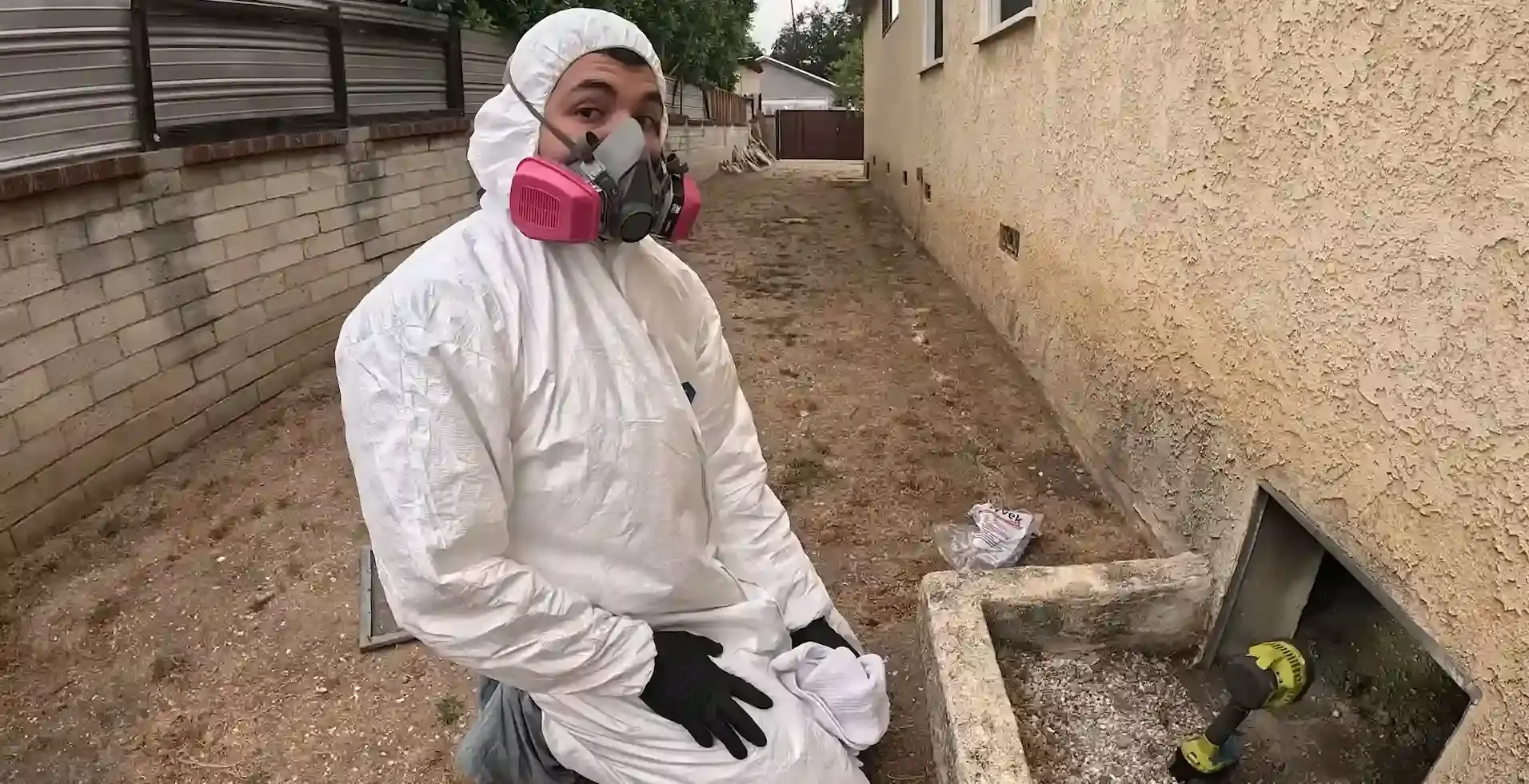
The disease most tied to roof rats in Southern California is flea-borne (murine) typhus. The California Department of Public Health says it spreads through infected fleas, often from rats, and symptoms like fever, headache and muscle aches show up 6 to 14 days after a bite. It says antibiotics treat it, and most people recover. See the CDPH fact sheet. CDPH says flea-borne typhus is always present in parts of Los Angeles and Orange counties and is reported elsewhere only sometimes, so we do not want to overstate the local risk.
Are roof rats aggressive to humans?
Not usually. A roof rat will run from you, but a cornered one can bite. Most contact happens when you surprise one in an attic or garage. Wear gloves, do not corner it, and never handle one with bare hands. Wash a bite well and call a doctor. Our Rodent Health Risks page has more.
What should I do about droppings and dead rats?
Wet them, wear gloves and a mask, and do not sweep or vacuum dry. Dry droppings can put dust in the air. Use disposable gloves or a bag to pick up a dead rat, seal it, and wash your hands. For attics, crawl spaces or large amounts, call a pro. For heavy mess, see our rodent cleanup service.
What we offer
What We Offer for Roof Rats in Santa Barbara
Every job starts with a free consultation call to plan the work. Pick what fits your home.
Roof rat trapping
depending on the number of rats and visits.
Sealing and proofing
Tile roofs, steep lots and large houses can raise the cost.
Tree and ivy trimming advice
included with the inspection. Large tree work needs a tree service.
Cleanup of droppings and nesting material
Wet clean-up, sanitizing and insulation repair where it is needed.
Dead rodent removal
Finding and removing the source of smells in walls, ceilings or crawl spaces.
Monitoring visits
A re-check visit to confirm the rodents are gone and the repairs are holding.
Cost depends on roof type, access, house size and the number of entry points.
Where we work
Areas We Cover for Roof Rat Control in Santa Barbara
We serve the city of Santa Barbara and nearby communities, including the Riviera, the Mesa, Mission Canyon, Upper State and San Roque, Downtown, the Westside and Eastside, Las Positas, Hope Ranch, Montecito, Summerland, Goleta, Carpinteria and Isla Vista. See the Service Areas page for every area.

Questions before we arrive
Frequently Asked Questions About Roof Rats in Santa Barbara

What are roof rats?
Roof rats, also called black rats, are slim climbing rats that nest above the ground. They have a tail longer than their body, a pointed nose and big ears. They live in trees, ivy, palms and attics, and they are the rats most people see on fences and wires at night.
Where do roof rats hide during the day?
In nests above the ground, in trees, ivy, palm crowns, attics and wall gaps. Roof rats are mostly nocturnal, so they stay hidden while the sun is up. If you see activity during the day, the nest is probably close by.
How many roof rats live together?
More than most people expect, because they breed fast. UC IPM says roof rats have 3 to 5 litters a year with up to 8 young each. A few rats can turn into a large group in a season. That is why we trap and seal, not just trap.
Who do I call about rats in Santa Barbara?
For rats at your own home, call a rodent control company. For public health concerns, the county vector district may help. The Mosquito and Vector Management District says it can inspect your property for rats and mice free of charge and give control recommendations. Call (805) 969-5050.
Can you work on tile roofs and steep lots?
Yes, we do. Tell us about steep access, narrow driveways or gated entries so we can plan the visit.
How fast can you inspect?
Same-day or next-day visits are often possible, depending on how busy we are. We are open Monday to Saturday, 8 AM to 6 PM, and active rats and bad smells go first.
Think you have roof rats?
Check these clues and send us what you see
Roof rats climb and nest high. These clues set them apart from other rodents.
- 1Droppings
Dark, smooth and pointed at the ends, in the attic or on fence tops.
- 2Hollow fruit
Avocados or oranges with holes or empty skins.
- 3Rub marks
Greasy smears on rafters, pipes and wall edges.
- 4Palms and ivy
Palm crowns and ivy that touch the roof.
- 5Gnaw marks
Tooth marks about the width of a pencil lead.
Ready when you are
Ready for Roof Rat Control in Santa Barbara?
If you hear scratching in the attic, see rats on a fence or find droppings in the garage, do not wait. Our roof rat control in Santa Barbara finds how they get in, removes them and seals the gaps with metal. Call for a Free Consultation.
- Call us(805) 429-3801
- Email[email protected]
- Office716 N Milpas St, Santa Barbara, CA 93103
- HoursMonday to Saturday, 8:00 AM to 6:00 PM
Sources
- UC IPM Pest Notes: Rats: tail, weight, nesting, climbing, litters, entry gaps, trapping and trimming advice
- UC IPM Citrus Pest Management: Roof Rats: activity, nest sites, fruit damage, trap and bait cautions
- CDPH Flea-Borne Typhus Fact Sheet: how it spreads, symptoms, prevention
- The Skunk Corner: Roof Rat: local description, daytime activity, habitat
- Santa Barbara Independent, Santa Barbara Debates Rat Problem (Nov 2022): State Street trapping program
- Mosquito and Vector Management District of Santa Barbara County: contact and role