

Rodent Shield Santa Barbara
Norway Rats Santa Barbara, CA — Burrows, Creeks and Crawl Spaces
Serving Mission Creek • Eastside • Westside • Oak Park • Downtown. Norway rats dig under foundations and decks, then work into crawl spaces. Here is how to spot them, and how we shut them out. Free consultation.
Santa Barbara rodent control
Norway Rats Santa Barbara Homeowners Get: The Digging Rats
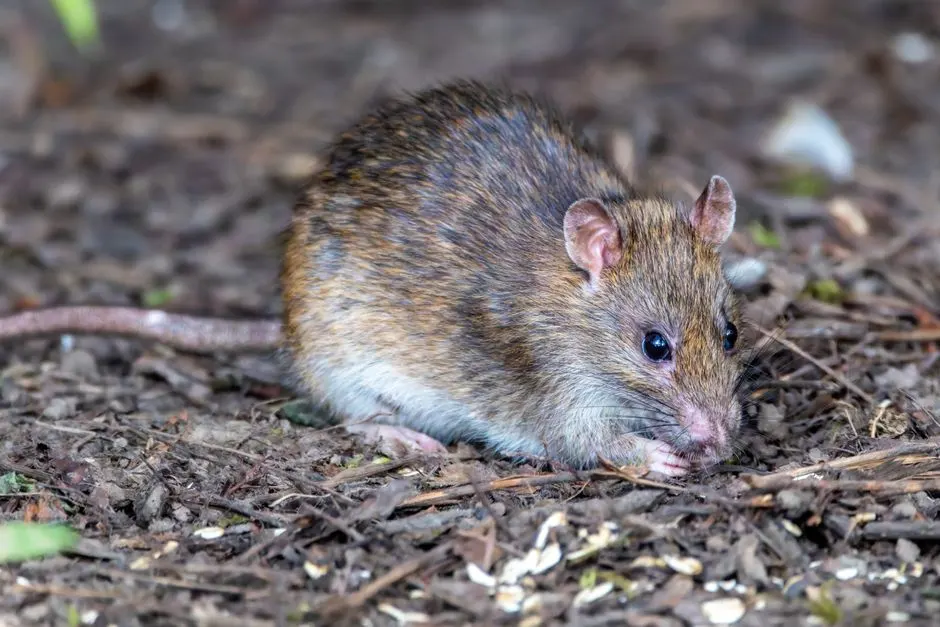
Norway rats in Santa Barbara are the rats that live low. They dig burrows along foundations, under decks and woodpiles, and next to walls and fences. Indoors they usually stay in crawl spaces, basements and ground floors, per the California Vertebrate Pest Control Handbook.
They are bigger and heavier than roof rats, and they are strong gnawers. A Norway rat can widen a small hole in wood, and even in concrete, to get in. If you hear thumping under the floor or find holes by your foundation, think Norway rat first.
Weight
7 to 18 ounces. Norway rats are the larger, heavier rat, much bigger than a roof rat or a mouse.
Tail
Shorter than the head and body together, which helps tell it from the longer-tailed roof rat.
Nose and ears
A blunt nose and small ears that do not reach the eyes when folded forward.
Droppings
Can be up to 3/4 inch long, much larger than mouse droppings.
Home range
Often 100 to 150 feet from the nest, so burrows near the house are a common source.
Babies
Litters average 8 to 10 young, and a female can have 4 to 7 litters a year, which is why a small problem can grow quickly.
Is it a Norway rat or a roof rat?
Check the tail and the location: a shorter tail and a ground-level problem mean Norway rat. A roof rat has a tail longer than its body and likes attics, trees and ivy. A Norway rat is thicker, with a blunt nose, and digs. See our Roof Rats page for the climbing kind.
Where we work
Where Norway Rats Live in Santa Barbara: Creeks, Alleys and Older Foundations
Norway rats like moist ground, cover and an easy meal. In Santa Barbara that can mean streets near creeks such as Mission Creek, Arroyo Burro Creek and San Roque Creek, and blocks with alleys, restaurants and open trash areas. Homes with raised foundations and crawl spaces give them a ready-made shelter.
They are excellent swimmers, so a creek is no barrier. They also forage close to the nest, often within 100 to 150 feet, so the burrow is usually near the damage. If you find signs inside, look for the burrow outside.
Rats have been part of downtown life for years. The Santa Barbara Independent reported in 2022 that the city pays for rat trapping on State Street. The article does not say which species, so do not assume. See the report.
Why do I have rats under my house?
Because the crawl space is dry, dark, protected and close to food. Rats dig in from the yard, or enter through broken vent screens and foundation gaps. Trash, pet food, leaky pipes and dense plants near the foundation make it worse. Once inside, they nest in insulation and chew pipes and wires.
Are Norway rats common in Santa Barbara?
Both are found in California, but roof rats favor warm, coastal areas. UC IPM says roof rats prefer warm climates and coastal ecosystems, while Norway rats live throughout the country. Norway rats show up near creeks, older neighborhoods, alleys and places with ground-level food. If you see burrows, thumping under floors or ground-level damage, treat it as a Norway rat problem until proven otherwise.
Do Norway rats climb into the attic?
Sometimes, but they usually stay within one story of the ground. The California handbook says Norway rats are good climbers but are mostly found at ground level in multi-story buildings. If the noise is in the attic and high in the house, roof rats are more likely.
What to look for
Signs of Norway Rats: Burrows, Runs, Droppings and Thumping
Norway rats leave their clues low to the ground. Look along foundations, fences, decks and the walls of the garage and crawl space. Two or more signs together mean they are active.
Burrow holes
Burrow openings are about 2 to 4 inches across, smooth from use, and found beside foundations, walls, fences, woodpiles and bushes, often with fresh dirt nearby. Extension guidance adds that a burrow usually has one or two extra exit holes.
Runs
Worn paths along walls, fences and under plants show where rats travel again and again.
Droppings
Can be up to 3/4 inch long, much larger than mouse droppings.
Rub marks
Dark smudges on beams, rafters, pipes and walls come from the grease on their fur.
Gnawing
Chewed wood, pipes, wires and even concrete edges show rats are feeding or making their way in.
Noise
Gnawing, clawing, squeaking and thumping in walls and under floors, often at night.
Tracks
Footprints and tail drag marks in dust or mud show the route they use.
What does a Norway rat burrow look like?
A round, smooth hole about 2 to 4 inches wide, next to a wall, slab, deck or woodpile. Active burrows have clear, packed entrances and may have fresh soil near them. Do not guess from the hole alone, since gophers, ground squirrels and other animals dig too. Photos help us identify what dug it.
What do Norway rat droppings look like?
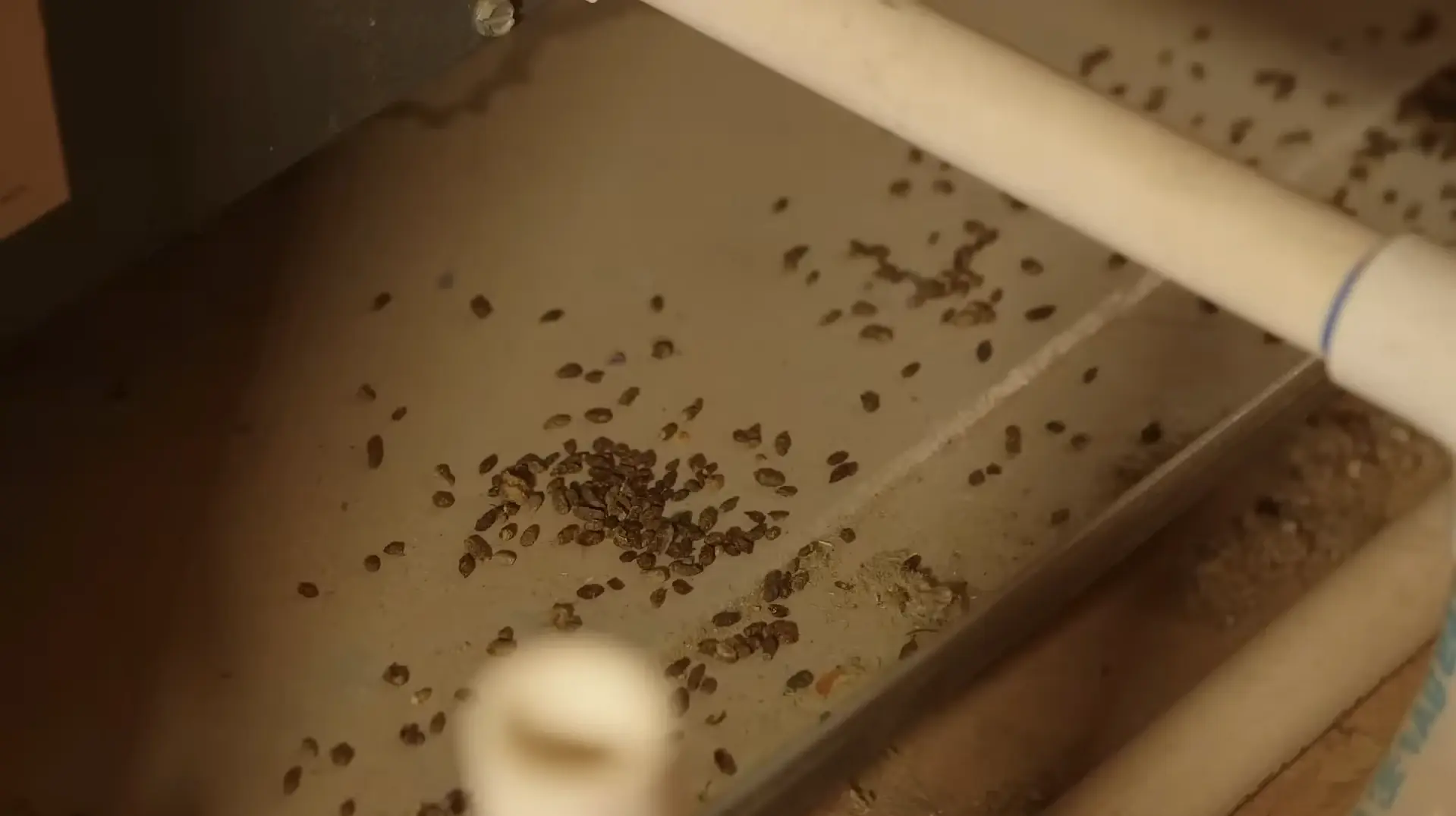
Large, dark and blunt, up to 3/4 inch long. They are the biggest rat droppings you will find at home, and fresh ones are soft. Do not sweep or vacuum dry droppings. Wet them first and wear gloves. For heavy mess, see our rodent cleanup service.
How do I know if rats are under my house?
Thumping or scratching below the floor, droppings in the crawl space, or burrows outside are the top clues. You may also smell a musty or sour odor, or hear gnawing at night. A pro can check the crawl space for burrows, damaged vents, chewed pipes and insulation damage. See Crawl Space Rodent Control.
Sealing
How to Get Rid of Norway Rats in Santa Barbara: Trap Low, Close Burrows, Seal the Foundation
Norway rat control in Santa Barbara works from the ground up. Remove the rats, close their burrows and seal every low opening so they cannot return. Because they dig and gnaw, the fix has to be solid. Foam and thin screen will not hold.
Our rat removal service and rodent exclusion and proofing service follow these steps.
Inspect outside and under the house
Find burrows, runs, damaged vents, gaps at pipes and slabs, and food or water sources, because Norway rats live low and often dig.
Trap along the walls
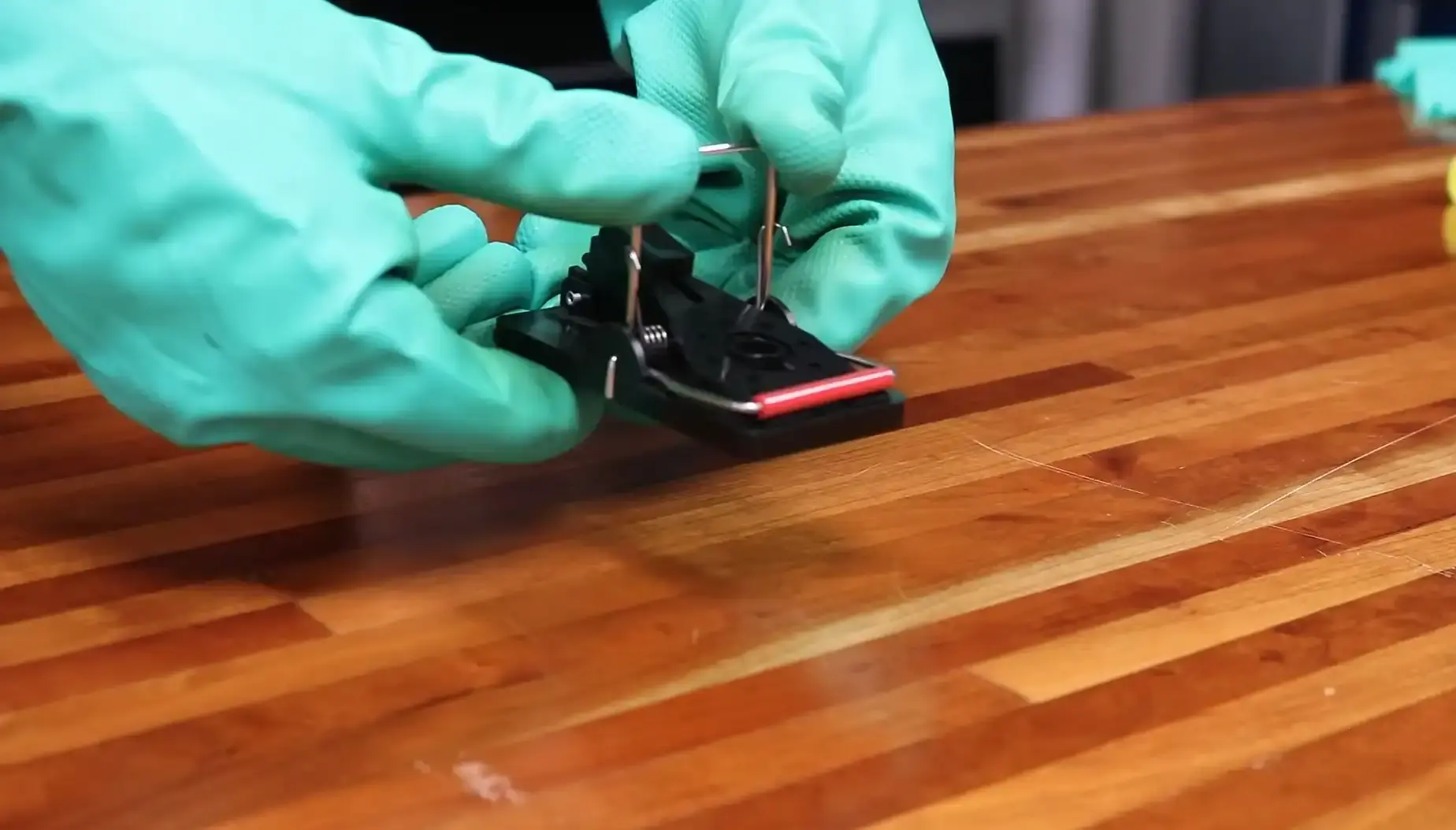
Rats run next to walls, so set rat-sized snap traps close to them with the trigger toward the wall, as the California handbook and UC IPM advise. Leave traps unset until the bait is taken once, then set them.
Seal
Close holes larger than about half an inch with galvanized sheet metal, heavy-gauge hardware cloth, steel wool or mortar. Fix broken crawl space vents.
Close burrows
Fill a burrow only when no animals are inside. Extension guidance says to pack the main entry and exit holes with concrete or sand, or with steel wool or hardware mesh rats cannot chew through. Sealing rats inside can cause a strong odor as they die, so confirm the burrow is empty first.
Remove the draw
Cover trash, bring pet food in, clear woodpiles and debris, and fix leaks so the property is less attractive to rats.
Check back
We confirm the traps are quiet and the seals are holding, and we look for new burrows.
How do I get rid of Norway rats permanently?
Trap the rats, close the burrows, seal the foundation and remove food and cover. There is no one-time trick. Rats return to any home that is easy to enter and has food nearby. A permanent fix means metal-sealed gaps, a cleaned-up yard and a follow-up check that proves the problem is gone.
How do I stop rats burrowing under a deck or foundation?
Block the dig points and remove what draws them. Close any gaps, keep soil and debris from piling against the structure, store food and trash securely, and move bird feeders away from the deck. Use heavy galvanized mesh, not chicken wire. UC IPM says to seal all holes larger than 1/4 inch and that lightweight chicken wire is no barrier to rats. A pro can find which holes are active.
Should I use poison or fumigants for Norway rats?
Not on your own. Baits can poison pets and wildlife, and most anticoagulant rodenticides are restricted in California. Burrow fumigants are for licensed pros and must not be used within 15 feet of an occupied building, per the California handbook. We prefer traps and sealing.
Do rat holes in my yard mean they are in my house?
Not always, but treat it as a warning. Burrows next to the foundation, slab or deck often lead toward a crawl space or wall gap. Look for droppings, gnaw marks or noise inside. If you see burrows and any signs indoors, call for an inspection before they spread.
Santa Barbara rodent control
What a Pro Checks Under Your House for Norway Rats
Most Norway rat jobs end under the house, so that is where a good inspection starts. A crawl space is dark and quiet, and rats can live there for months before you notice. Here is what we look for.
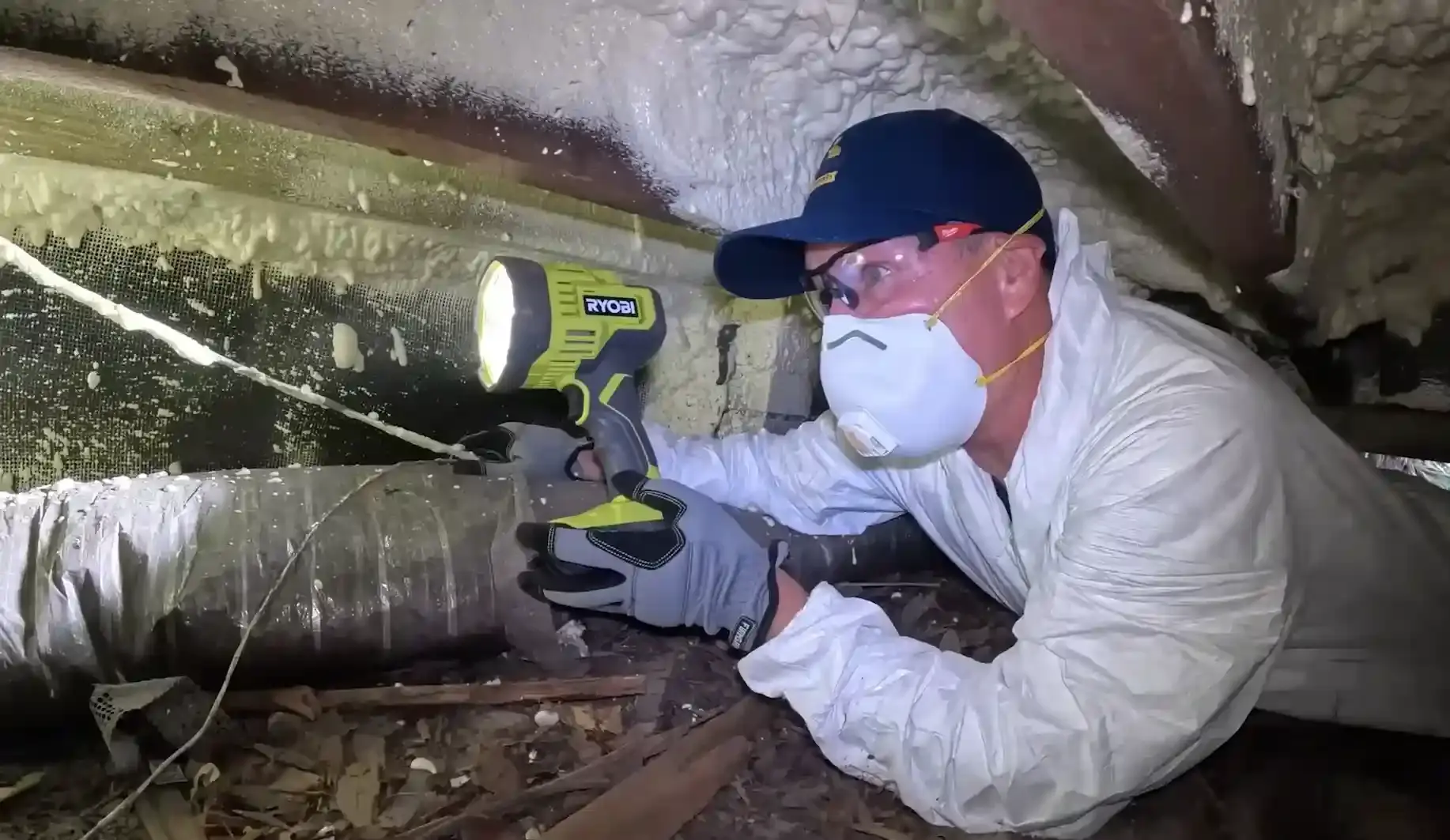
- Burrows that run from the yard toward the foundation
- Broken, missing or loose crawl space vent screens
- Gaps around pipes, wires and the slab edge
- Chewed water lines, drain pipes and wiring
- Torn insulation, nests and flattened vapor barrier
- Droppings, urine stains and smudge marks along beams and walls
- A sour or musty smell that may mean a dead rodent
Photos of what we find go in your report, so you see the same things we do. If the crawl space needs cleanup, see our Rodent Cleanup and Insulation Replacement page.
Santa Barbara rodent control
Your 15-Minute Ground Walk: Find the Burrow Before It Finds Your Foundation
Walk the edge of your house and yard in daylight. Norway rats leave clear signs low to the ground.
- Holes along the foundation, slab, deck or garage wall
- Worn paths beside fences, walls and under bushes
- Fresh soil, gnaw marks or droppings near a hole
- Woodpiles, boxes and debris against the house
- Open trash cans, pet food, bird seed and compost
- Dripping hoses, leaks or standing water near the foundation
- Crawl space vents that are broken, loose or covered with weak screen
Take photos of anything odd, and a coin next to a hole or dropping for size. Send them to us, and we will tell you what we think they are.
Health and safety
Do Norway Rats Make You Sick? A Calm Look at Leptospirosis and Other Risks
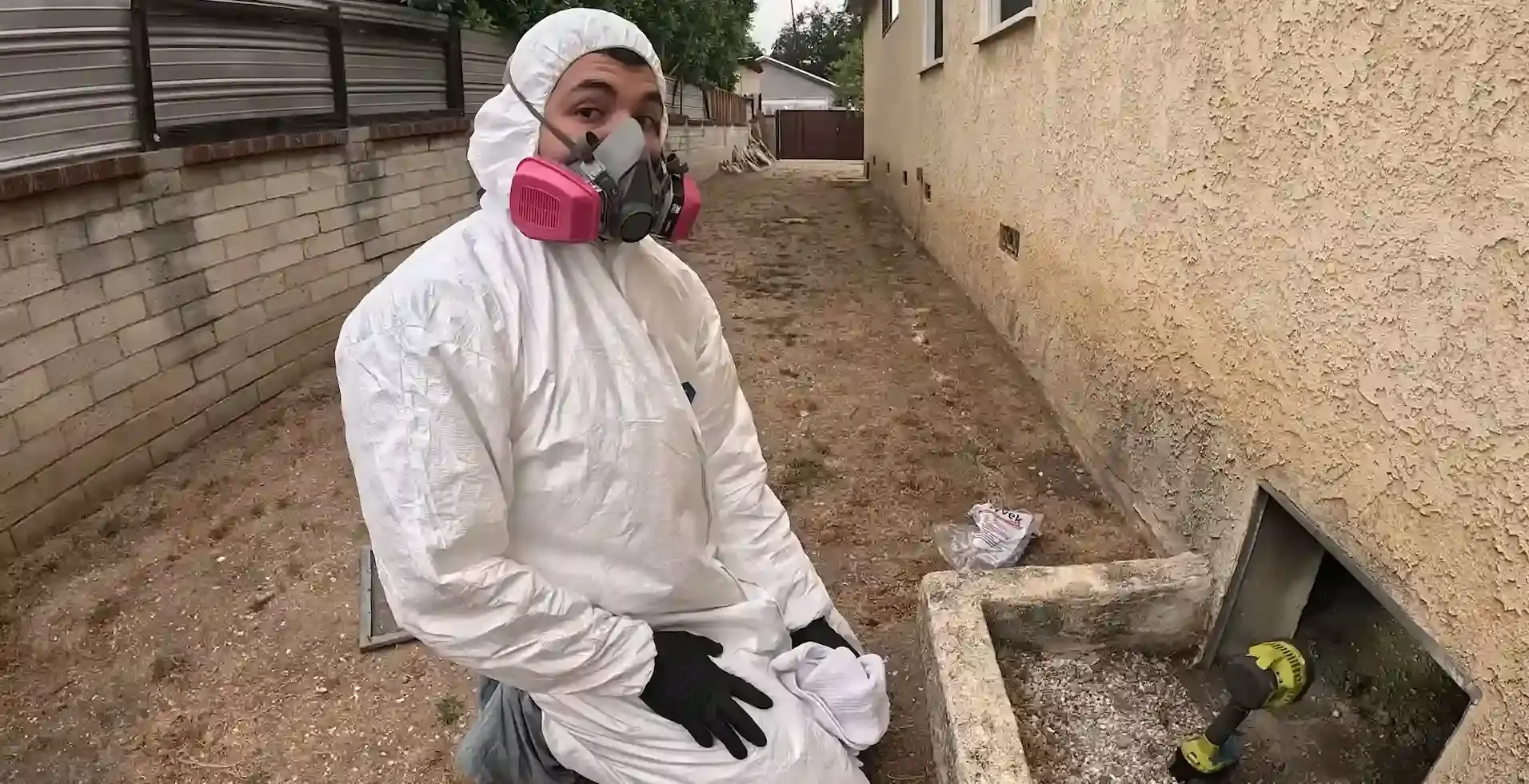
Norway rats can carry germs, but your risk is low when you stay careful. The California handbook lists leptospirosis, salmonella, rat-bite fever, and plague and murine typhus spread by rat fleas. UC IPM adds that plague is rare in house rats and occurs mainly in wild ground squirrels, chipmunks and sometimes woodrats in California.
Leptospirosis is the one most tied to Norway rats. Alameda County Public Health says it spreads through water or soil contaminated with infected urine, and that human cases are rare in California. Symptoms usually start one to two weeks after exposure and can include fever, headache, muscle aches and jaundice. The bacteria die with sunlight and drying. See the county FAQ. We did not find a Santa Barbara County case count, so we do not say how common it is here.
Do Norway rats carry leptospirosis?
They can, and the bacteria spread through their urine. Contact with wet soil or water near burrows is the main way people are exposed. Wear gloves for yard work near burrows, wash hands well, and cover cuts. Keep dogs away from burrows, mud and dead animals. Ask your vet about the dog vaccine. See our Rodent Health Risks page.
What should I do if I think I was exposed?
Call your doctor and tell them about the rat contact. Most people have mild or no symptoms, but some get seriously ill. Early treatment helps, so do not wait if you have fever, headache or muscle aches one to two weeks after contact. This page is not medical advice.
What we offer
What We Offer for Norway Rats in Santa Barbara
Every job starts with a free consultation call to plan the work. Pick what fits your home.
Norway rat trapping
depending on the number of rats and visits.
Burrow checks and foundation sealing
Crawl space access, slab edges and large properties can raise the cost.
Crawl space cleanup and insulation repair
Wet clean-up, sanitizing and insulation repair where it is needed.
Dead rodent removal
Finding and removing the source of smells in walls, ceilings or crawl spaces.
Monitoring visits
A re-check visit to confirm the rodents are gone and the repairs are holding.
Cost depends on access, foundation type, the number of burrows and how many entry points we find.
Where we work
Areas We Cover for Norway Rat Control in Santa Barbara
We serve the city of Santa Barbara and nearby communities, including the Eastside, Westside, Oak Park, Downtown, the Waterfront, the Mesa, Upper State and San Roque, Montecito, Goleta and Carpinteria. See the Service Areas page for every area.
Questions before we arrive
Frequently Asked Questions About Norway Rats in Santa Barbara
Are Norway rats aggressive?
Not usually, but a cornered one will bite. Norway rats avoid people and run when they can. Most bites happen when someone corners a rat in a garage, crawl space or trap. Wear gloves, keep pets and kids away, and call a pro for large or active infestations.
How fast do Norway rats breed?
Very fast. The California handbook says a female can have 4 to 7 litters a year, with 8 to 10 young each on average. Young rats can breed at about 3 to 5 months. That is why a few rats can turn into a crowd, and why sealing matters as much as trapping.
How long do Norway rats live?
About one year in the wild on average. The California handbook gives about one year as the average lifespan. That is short, but breeding is fast, so a colony replaces itself quickly. Removing the rats without sealing the home only gives a new group a free place to move in.
Do Norway rats swim?
Yes, they can swim. UC IPM lists swimming among the ways rats get into buildings, along with gnawing, climbing and jumping. Water is not a barrier, so homes near creeks still need ground-level sealing and clean yards.
Can you work on crawl spaces and tight access?
Yes, we do. Tell us about low clearance, gated entries and pets when you call so we can plan the visit.
How fast can you inspect?
Same-day or next-day visits are often possible, depending on how busy we are. We are open Monday to Saturday, 8 AM to 6 PM, and active rats and bad smells go first.
Think you have Norway rats?
Photograph burrows, runs and droppings
Norway rats live low and dig. Ground-level clues tell us the most.
- 1Burrows
Holes by foundations, downspouts, sheds or woodpiles.
- 2Runs
Worn paths along fences, walls and plants.
- 3Droppings
Large and capsule-shaped, often near trash or pet food.
- 4Gnawing
Chewed pipes, wood or plastic near the ground.
- 5Food and trash
Open bins, pet food or fallen fruit.
Ready when you are
Ready for Norway Rat Control in Santa Barbara?
If you hear thumping under the floor, find holes by the foundation or see droppings in the garage, do not wait. Our Norway rat control in Santa Barbara finds the burrows, removes the rats and seals the gaps with metal. Call for a Free Consultation.
- Call us(805) 429-3801
- Email[email protected]
- Office716 N Milpas St, Santa Barbara, CA 93103
- HoursMonday to Saturday, 8:00 AM to 6:00 PM

Sources
- California Vertebrate Pest Control Handbook: Norway Rat: size, droppings, burrows, climbing, litters, entry gaps, traps, fumigant limits, diseases
- UC IPM Pest Notes: Rats: identification, habitat, travel range, trapping, plague note
- Alameda County Public Health: Leptospirosis FAQ: how it spreads, symptoms, prevention
- Santa Barbara Independent, Santa Barbara Debates Rat Problem (Nov 2022): State Street trapping program